Chiang Mai Festival Guide — By the Thaan Aoan Team

Songkran in Chiang Mai 2026

The Complete Guide to Thailand’s Most Spectacular Water Festival
By the Thaan Aoan Team • Updated March 2026

Songkran in Chiang Mai

The Complete Guide to Songkran in Chiang Mai 2026

If you’re planning a Thailand trip in mid-April, there’s one experience that instantly explains why people fall in love with the country: Songkran in Chiang Mai. The city doesn’t just “celebrate” Thai New Year — it becomes Thai New Year. Ancient Lanna traditions fill the mornings — temples, merit-making, scented water blessings — then an all-out, city-wide water celebration takes over by afternoon, with the Old City moat acting like a giant circular stage where everyone joins in.

This guide is written for travelers who want the best of both worlds: the cultural meaning behind Songkran in Chiang Mai, and the practical details that help you enjoy it safely and comfortably.

Quick Reference

Songkran in Chiang Mai 2026 — At a Glance

DateLanna NameThemeBest Activity
April 13Wan Sangkhan Long Old year leavesTemple morning + moat afternoon
April 14Wan NaoPreparation daySand pagodas + water zones
April 15Wan Phaya WanNew Year’s DayMerit-making + water celebration
April 16Wan Pak PiBlessings continueQuieter culture day

Core dates: April 13–15 • Chiang Mai celebrations often extend before and after
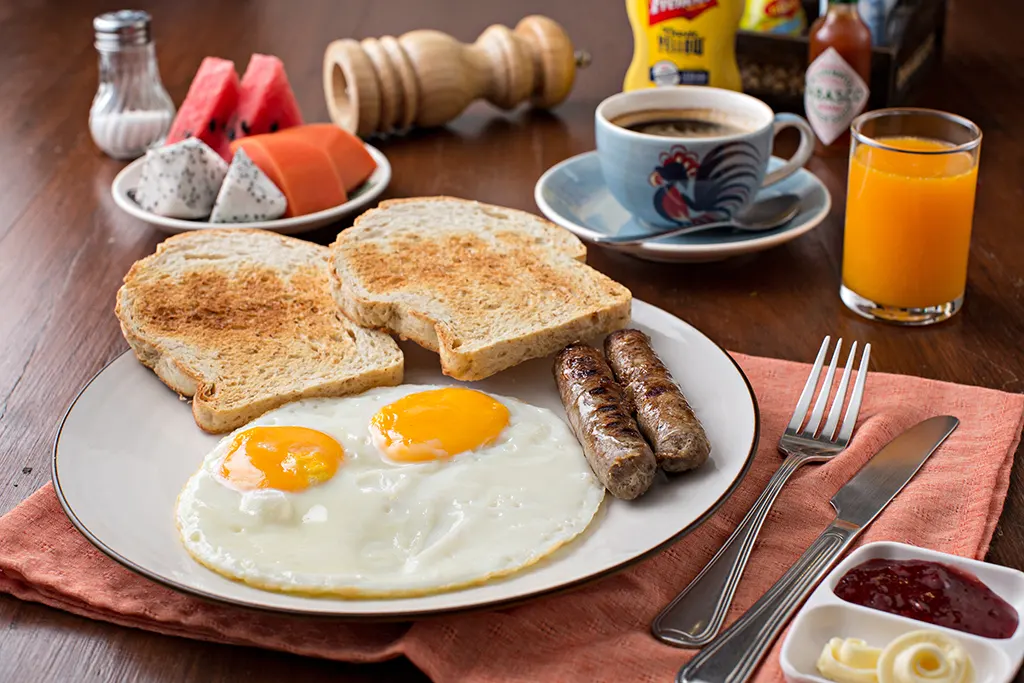
Breakfast near the Old City Moat

Start Songkran at Thaan Aoan — Open Daily from 7:00am

Best Chiang Mai Breakfast at Thaan Aoan

A great Songkran starts before the water. Thaan Aoan is 80 meters from Wat Chedi Luang — fresh Thai food and western breakfast, made from scratch every morning, right in the heart of the Old City.

  • Open all Songkran days · April 13–16 · 7:00am–9:00pm
  • Shaded garden tables · 1 min walk from the moat
  • Must-try: Khao Soi · Waffle Fruit & Cream · Mango Smoothie Bowl

Understanding the Festival

What is Songkran — and Why is Everyone Splashing Water?

Songkran is Thailand’s Traditional New Year

Songkran is Thailand’s traditional New Year festival, celebrated every April. The name comes from an old concept of transition — a turning of the seasonal and spiritual page. Over time, Thai communities shaped the festival into a meaningful mix of renewal, gratitude, and togetherness, with water as the perfect symbol.

Water in Songkran isn’t just “fun” — it carries real meaning. It represents cleansing and renewal (washing away the old year’s misfortune), cooling relief during Thailand’s hottest season, and blessing and respect — especially when gently poured over elders’ hands or used to bathe Buddha images. What started as a respectful sprinkling grew into playful splashing, then evolved into the famous water festival the world knows today.

Why Songkran in Chiang Mai Feels Bigger

Bangkok goes loud. Phuket goes party. But Chiang Mai goes massive — while still feeling deeply traditional. The Old City moat creates a natural “battle loop”: the road around it is long, circular, and easy for crowds to flow through, so the celebration scales up fast. Lanna culture is strong here — the north keeps many old customs alive, including temple rituals, community blessings, and specific day-by-day traditions.

Songkran in Chiang Mai is also one of the few moments where locals, students, families, returning expats, and travelers all share the same celebration. And crucially — it’s not only about water. Even if you don’t want to get soaked, you can still experience the season through ceremonies, food, and cultural events.

Songkran 2026 Dates

In Thailand, Songkran is traditionally celebrated April 13–15 each year. In B.E. 2569 (A.D. 2026), those dates fall mid-week — which typically makes Chiang Mai especially busy as people plan trips around the holiday period.

📅 April 13 — Old year leaves (Wan Sangkhan Long)
📅 April 14 — Preparation day (Wan Nao)
📅 April 15 — New Year’s Day (Wan Phaya Wan)
📅 April 16 — Blessings continue (Wan Pak Pi)

Important Chiang Mai reality: while the official national holiday window is three days, Chiang Mai celebrations often begin earlier and end later — the moat area stays lively for several days around the core dates.

💡 Insider Tip — Manage Your Expectations

Expect big crowds, high energy, and a city that feels like it’s smiling for three to five straight days. The best Songkran in Chiang Mai experiences come from people who mix water fun with cultural moments — and know when to step back, dry off, and find a quiet café.

Lanna Tradition

Songkran in Chiang Mai Day by Day
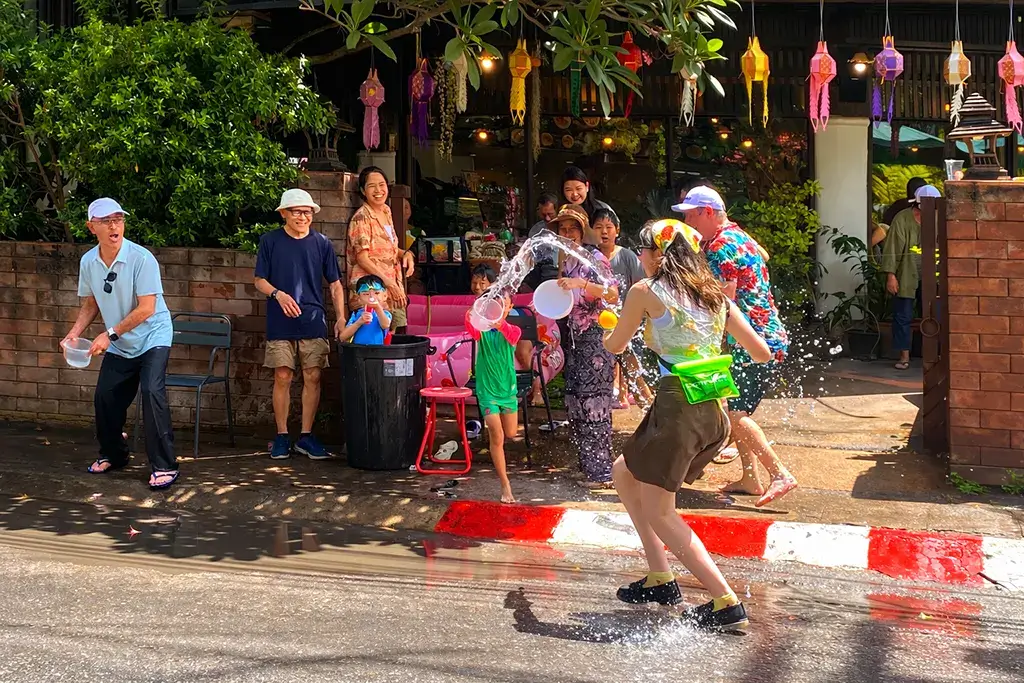
Songkran in Chiang Mai

In Northern Thailand, Songkran is called Pi Mai Mueang — the Lanna New Year. Each day carries a name, a mood, and traditional activities. Here’s your traveler-friendly breakdown.

1

April 13

Wan Sangkhan Long
วันสังขานต์ล่อง

The old year leaves

Reset Day — The City’s Energy Starts to Surge

The Old Year Leaves — Water Energy Begins

Traditionally, families clean the home (literally and symbolically), wash away “bad things” from the old year, and prepare offerings for temple visits. For travelers in Chiang Mai, this is the day the water energy really starts building — especially around the moat.

✅ Best way to enjoy it: Calm temple visit + breakfast in the Old City in the morning, then join the water celebration around the moat in the afternoon when the streets heat up.

Traditionally, Wan Sangkhan Long is considered reset day — the moment the old year formally departs. In Lanna communities, this means cleaning the home inside and out, preparing merit-making supplies, and getting into the right spirit for the days ahead. For travelers experiencing Songkran in Chiang Mai for the first time, April 13 is often the most visually dramatic day: the moat starts to fill with people, sound systems appear, and the energy is unmistakably different from any other day in the city.

💡 Insider tip: Start your day with a calm breakfast near the Old City (Thaan Aoan opens at 7am, just steps from Wat Chedi Luang). By 10am the atmosphere is already building, and by midday the moat loop is fully alive. If you want both the calm and the chaos — plan your day in that order.

2

April 14

Wan Nao
วันเนา

The careful day

Preparation Day — Temples, Sand Pagodas & Mindfulness

The Day to Be Mindful — and See Sand Pagodas

Traditionally a preparation day — people avoid bad speech and bad actions, as it’s believed negativity “sticks” easily during this transition. Locals prepare sweets for merit-making and bring sand to temples for building sand pagodas. Full water celebrations continue.

✅ Best way to enjoy it: Temple visit in the morning to see sand pagodas and local ceremonies, then choose your water zone — moat for full energy, or a quieter spot if you prefer a more relaxed pace.

Wan Nao is a preparation day in the Lanna calendar — a moment to pause, tidy the spirit, and get everything ready for the most important day of the new year cycle. Temples around the Old City often host sand pagoda areas on this day: small, decorative mounds decorated with flags and flowers, built as a communal merit-making activity. If you’ve never seen one up close, it’s worth a slow walk through Wat Phra Singh or Wat Chedi Luang in the morning.

💡 Insider tip: Wan Nao is one of the best days to mix temple culture with water fun — the moat is active but slightly less intense than April 15. If you only have one “culture morning” in your Songkran in Chiang Mai itinerary, consider saving it for today or the next day.

3

April 15

Wan Phaya Wan
วันพญาวัน

New Year’s Day ⭐

The Heart of Songkran in Chiang Mai — Most Meaningful Day

Lanna New Year — Blessings, Water & Renewal

The heart of the spiritual new year. Morning merit-making at temples, bathing Buddha images, and the beautiful Rod Nam Dam Hua ritual — pouring scented water over elders’ hands to show respect and receive blessings. This is Songkran in Chiang Mai at its most meaningful.

✅ Best way to enjoy it: If you want the day to feel genuinely meaningful — not just wet — make this your culture-first day. Temple morning, then water fun in the afternoon.

April 15 — Why This Day Matters Most

Wan Phaya Wan is the day Songkran in Chiang Mai reaches its spiritual peak. Temples fill with families performing the Buddha bathing ritual — a gentle, respectful ceremony using clean, scented water poured over sacred images. The Rod Nam Dam Hua tradition — asking forgiveness and receiving blessings from elders — happens in homes and community spaces across the Old City. Even as a traveler observing from a respectful distance, there’s a warmth and sincerity to these moments that changes how you experience the rest of the festival.

💡 Insider tip: Arrive at Wat Phra Singh before 8am on April 15. The morning atmosphere — incense, offerings, quiet movement of people — is one of the most genuinely beautiful sights Chiang Mai offers all year. By midday, the same streets will be running water.

April 16 (Wan Pak Pi) — The Quieter Day

In Lanna tradition, the new year doesn’t end abruptly — communities ease into it with Wan Pak Pi (วันปากปี) and additional “Pak” days. These extensions allow families time to travel to relatives, continue blessings, and complete community rituals at their own pace.

For travelers, April 16 often offers the best of both worlds: the city is still festive, but the intensity drops enough to explore temples calmly, eat a relaxed breakfast, and take in Chiang Mai’s quieter side. The following days — Wan Pak Duean, Wan Pak Wan, Wan Pak Yam — follow a similar gentler rhythm before normal city life resumes.

💡 If your Songkran in Chiang Mai trip extends past the 15th, don’t rush to leave. The city on April 16–17 has a post-celebration warmth that long-stay visitors consistently describe as one of their favorite moments of the whole trip.

Best Areas & Vibes

Where to Celebrate Songkran in Chiang Mai
Songkran in Chiang Mai

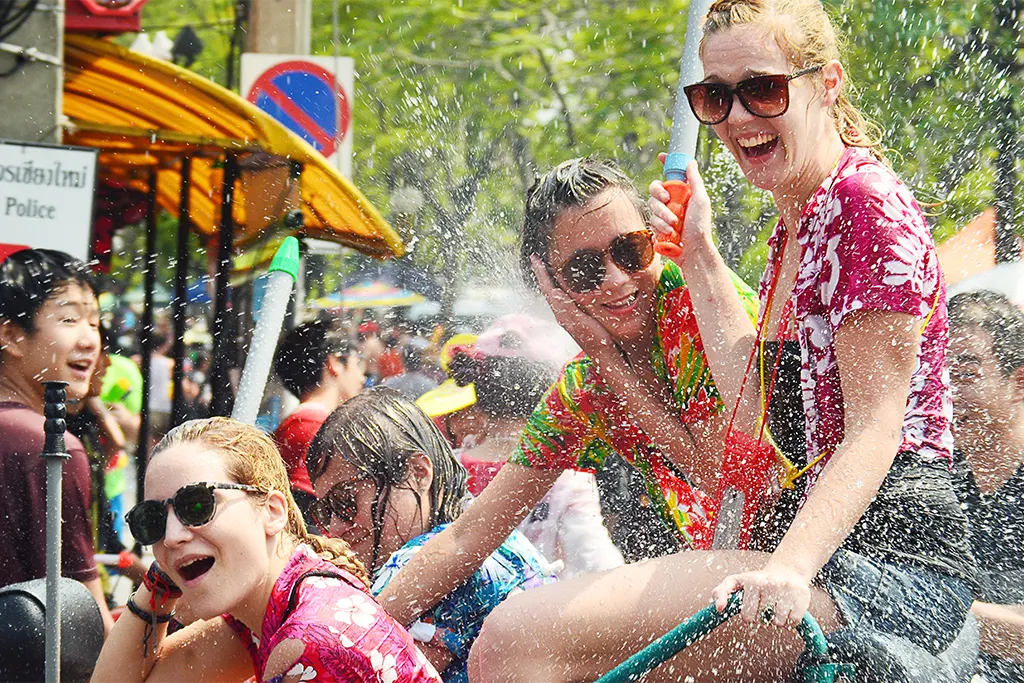
Chiang Mai isn’t one single party — it’s a collection of zones. Choosing the right area makes your experience dramatically better.

ZONE 1 — HIGHEST ENERGY 🌊

The Old City Moat Loop

If you want the iconic Songkran in Chiang Mai experience, this is it. The road around the moat becomes a continuous circuit of splashing, music, crowds, and pickup trucks carrying huge water containers. It’s long, circular, and the energy scales up fast.

✅ Best for: First-timers who want the full Songkran feeling
❌ Not ideal for: People who hate crowds, families with very small children, anyone wanting to stay dry

💡 Tip: Treat it like a long outdoor event. Wear proper footwear, protect your phone, and plan breaks.

ZONE 2 — FESTIVE + CULTURAL 🏯

Tha Phae Gate Area

One of Chiang Mai’s most famous gathering spots. During Songkran, Tha Phae Gate feels like the city’s front stage — busy, photogenic, and packed with people sharing the same celebration energy alongside real cultural events nearby.

✅ Best for: Travelers who want atmosphere and cultural events
❌ Not ideal for: Anyone hoping for breathing room on peak days

💡 Tip: Go earlier in the day if you want photos and a slightly calmer crowd before the afternoon surge.

ZONE 3 — TRADITIONAL & MEANINGFUL 🙏

Old City Temples

Songkran mornings in Chiang Mai can be surprisingly peaceful inside temples — even during the festival peak. A meaningful cultural window into what this festival is truly about.

🏛️ Wat Phra Singh — Wat Chedi Luang — Wat Lok Moli

✅ Best for: Culture lovers, families, solo travelers wanting real Chiang Mai
📌 Note: Dress respectfully — shoulders covered, no beachwear

ZONE 4 — CALM & SLOW ☕

Cafés, Galleries & Slow Afternoons

Not everyone wants three days of street water — and Chiang Mai is perfect for mixing in calmer activities between sessions. Coffee culture, art spaces, traditional massage, night markets, and evening street food all stay lively during Songkran season.

✅ Best for: Mixing water fun with quieter downtime
💡 Tip: Book massages and spa sessions ahead — they fill up fast during the holiday week.

Beyond the Water Fights

What to Do During Songkran in Chiang Mai

If your entire plan is “water gun all day,” you’ll have fun — but you’ll miss Chiang Mai’s best layer. Here’s what to mix in.

🙏 Temple Merit-Making

A morning activity that locals genuinely do. Arrive early, bring a small donation, observe quietly, and follow the flow. You’ll see families offering food, Buddha bathing rituals, and community blessing moments — the heart of what Songkran in Chiang Mai actually is.

🏖️ Build Sand Pagodas

Many temples host sand pagoda areas decorated with small flags and offerings. It’s a local tradition connected to merit and community. Easy to find, easy to observe, and genuinely meaningful in context — not just decoration.

💧 Rod Nam Dam Hua

One of the most beautiful Songkran traditions in the north: asking forgiveness, showing gratitude, and receiving blessings from elders through the gentle pouring of scented water. Travelers usually observe rather than participate — unless invited by a local family or community.

🍜 Eat Seasonal Northern Thai Food

Songkran is hot, physical, and busy — food becomes both survival and joy. Light cooling drinks, fresh seasonal fruit, northern snacks at markets, and easy “refuel” meals between water sessions. Some of the best eating in Chiang Mai happens during the festival week.

☕ Café Breaks & Cultural Downtime

Chiang Mai’s café scene doesn’t close for Songkran. Stepping into a quiet coffee shop mid-afternoon — dry, cool, and rested — is one of the underrated pleasures of doing the festival well. Art spaces, small galleries, and evening night markets round out the slower hours beautifully.

💆 Traditional Massage & Spa

After hours on the moat loop, a traditional Thai massage is exactly what your body needs. Book ahead — reputable spots fill up quickly during the holiday week and availability drops significantly after April 12.

Balanced & Realistic

A Simple 3-Day Songkran in Chiang Mai Itinerary

A practical plan that works for most travelers — balancing culture, water, rest, and real Chiang Mai moments.

DayMorningAfternoonEvening
April 13Old City temple visit + calm + breakfast @ Thaan AoanMoat loop—join the full energy.Shower, good food, early night
April 14Temple rituals + sand pagodas + breakfast @ Thaan AoanPreparation daySand pagodas + water zones
April 15Merit-making atmosphere—quiet and respectful

+ breakfast @ Thaan Aoan

 Water fun if you want, or explore quieter streetsRelaxed Chiang Mai—cafe, massage, neighborhood walk

Staying longer? Consider April 16 (Wan Pak Pi) as a quieter cultural day — the city is still festive but noticeably more relaxed than the peak days.

Real Practical Advice

Songkran in Chiang Mai 2026: Tips That Will Save Your Trip

Six things that make the difference between a great Songkran and a frustrating one.
Songkran in Chiang Mai

Tip 01

Don’t Plan Day Trips Outside the City (DO NOT GO TO THE MOUNTAINS!)

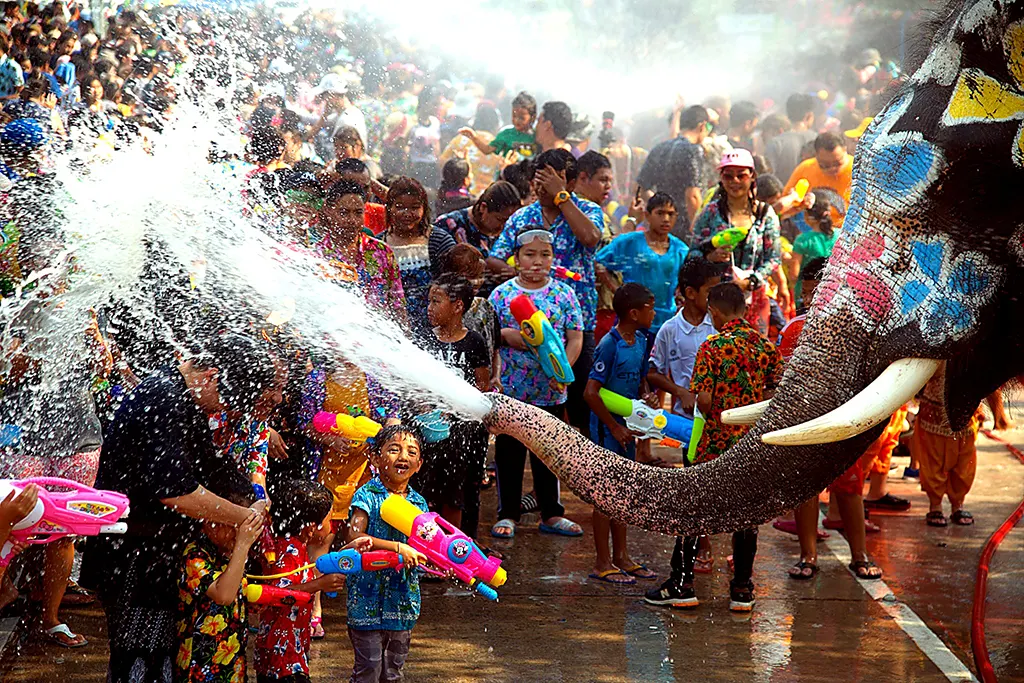
During Songkran week, Chiang Mai gets packed. Many visitors try to escape to mountains and famous viewpoints at the same time — creating heavy traffic on steep, narrow roads. If your main goal is Songkran in Chiang Mai, stay mostly in the city. Old City walks, temple mornings, café breaks, and evening markets will serve you far better than long drives.

Tip 02

Sunscreen is Not Optional

April in Chiang Mai is hot and bright. If you’re outside for hours — and you will be — you’ll burn faster than you expect, especially with water reflecting sunlight upward from the moat. Apply sunscreen before you go out, reapply during the day, and consider a hat (but expect it to get wet). Don’t skip this one.

Tip 03

Bring a Waterproof Bag — and Double-Protect Everything

Your phone, cash, passport copy, and hotel key will get soaked if you don’t protect them. Best setup: a waterproof crossbody bag or dry bag, with a zip-lock bag inside as a second layer, and a small microfiber cloth for your phone lens. If your phone gets wet — dry it immediately, don’t charge it, and let it fully dry before turning it on again.

Tip 04

Consent Matters — Know the Etiquette

Songkran is playful, but it’s still a cultural event with basic manners. If someone says “no water,” respect it. Never splash monks, the elderly, babies, or people who are working. Don’t splash drivers or motorbike riders — it’s a genuine safety risk. Keep it friendly. Songkran in Chiang Mai is not a competition to “win.” This single habit makes you a better traveler instantly.

Tip 05

What to Wear — Simple, Practical, Respectful

Quick-dry clothes that don’t become heavy when wet. Comfortable sandals with grip, or water-friendly shoes. No valuables. If visiting temples, carry a light cover-up for respectful dressing. Extra tip: goggles are surprisingly useful in the moat zone — not just for comfort, but for keeping your eyes clear when truck barrels hit at full force.

Tip 06

Transport — Avoid Driving Yourself if You Can

Songkran roads can be chaotic. If you plan to be near the moat, the simplest approach is to walk, use ride-hailing before peak hours, or choose accommodation within a reasonable distance of your main zone. Parking near the Old City during the festival is minimal and often risky — save yourself the stress and leave the car behind for these three days.

Frequently Asked Questions

Songkran in Chiang Mai: FAQ

Everything visitors commonly ask about Songkran in Chiang Mai — answered honestly.

Generally yes — but it depends on how you do it. Stay aware of your surroundings, avoid aggressive crowd situations if you don’t enjoy them, protect your belongings at all times, and don’t mix water fights with risky transport choices like riding a motorbike without proper gear.

The core national holiday dates are April 13–15, 2026. In Chiang Mai, celebrations typically begin before the 13th and continue after the 15th — with Wan Pak Pi on April 16 being another culturally significant day. The moat area often stays active for 4–5 days total.
No. You can absolutely enjoy Songkran in Chiang Mai through temples, food, markets, and cultural events without participating in water fights at all. Many locals do a mix of both — and some (particularly older residents) keep the day focused entirely on ritual and family.
The Old City moat loop is the main all-day zone — it’s the one that most people picture when they think of Songkran in Chiang Mai. Tha Phae Gate is also a major gathering point, with a slightly more photogenic and culturally textured atmosphere.
Yes — especially if you’re clearly not participating (dry clothes, no water gear). Not everyone will comply, but many people will respect a polite request. If you want to stay fully dry, the safest approach is to stay away from the moat zone and stick to temples and cafés.
The official national holiday is three days (April 13–15), but Chiang Mai’s celebrations often feel festive for longer — sometimes starting before the 13th and stretching through the 16th or beyond, depending on events and local Lanna tradition. Plan for at least four days if you want the full experience.
If you want to join the fun, yes — but even a small one is enough. The bigger the gun, the more you’ll carry all day. Medium-sized pistol-style guns are the most practical balance between fun and portability. You can also buy one easily near the moat on the day.
Thaan Aoan (154/5 Phra Pokklao Rd, near Wat Chedi Luang) opens daily at 7am and serves both Thai and western breakfast — making it one of the most reliable options for a calm, satisfying start before the day’s water activities begin. Booking ahead during the holiday week is recommended.

About This Guide

Quick Reference — Songkran in Chiang Mai 2026

Quick ReferenceDetails
Core datesApril 13–15, 2026 (B.E. 2569)
Chiang Mai festival namePi Mai Mueang (Lanna New Year)
Biggest water zoneOld City moat loop
Best for cultureTemples: Wat Phra Singh, Wat Chedi Luang, Wat Lok Moli
Best day for meaningApril 15 — Wan Phaya Wan (New Year’s Day)
Quietest festival dayApril 16 — Wan Pak Pi
Best breakfastThaan Aoan — open daily from 7:00am

This guide was written by the team at Thaan Aoan — a family-run restaurant open in Chiang Mai’s Old City since 2007. Every recommendation is based on years of living through the festival, not just visiting it. Last updated March 2026.

Start Songkran in Chiang Mai the Right Way

A calm breakfast before the water begins makes all the difference.
Thaan Aoan — Old City, open daily from 7:00am.
A short walk from Wat Chedi Luang and the moat.

Reserve a table ahead during Songkran week — it fills up fast.