Chiang Mai Mornings
Why Thai Breakfast Is the Way It Is
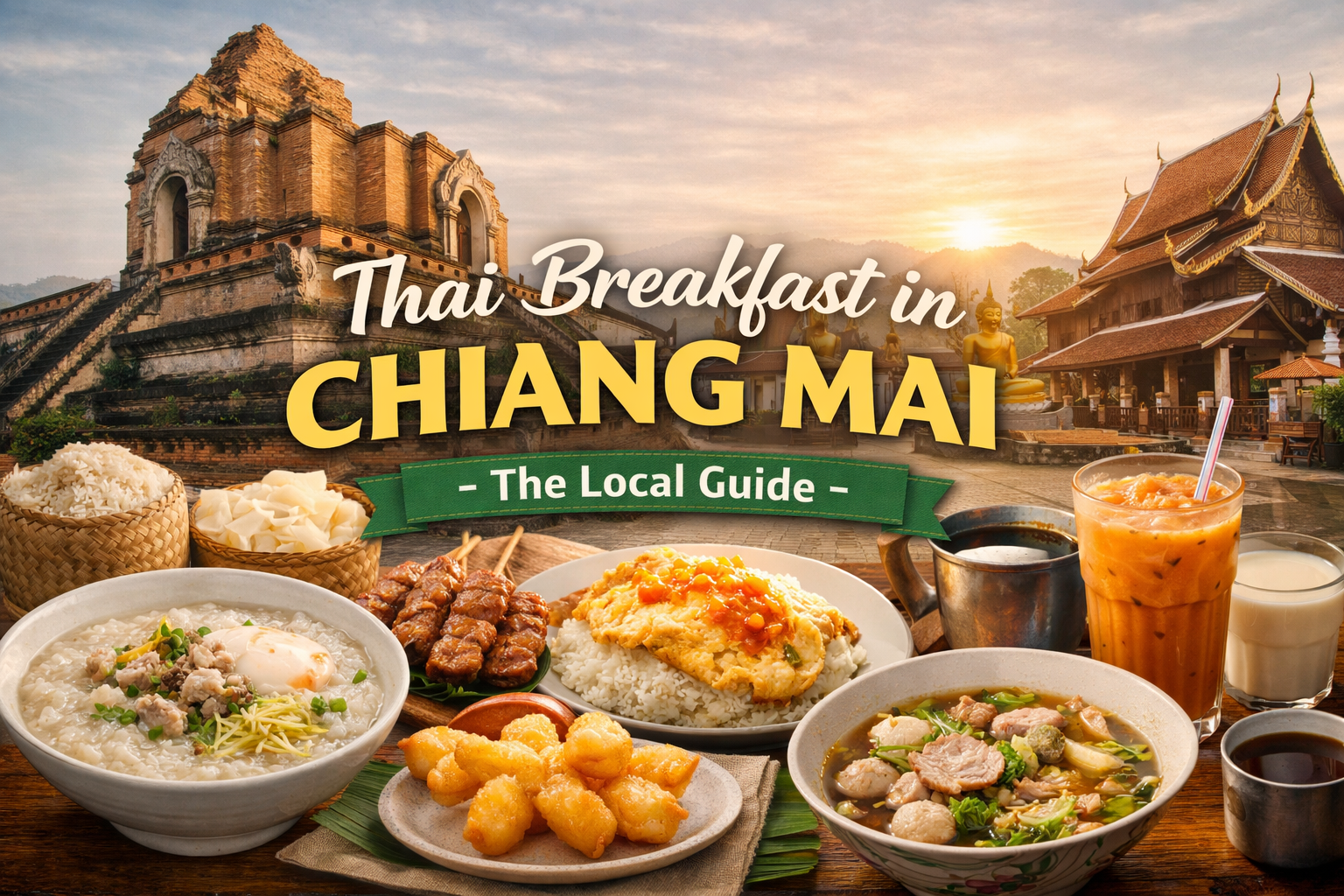
If you’re searching for breakfast in Chiang Mai, you’ll quickly notice something refreshing: Thai people don’t treat breakfast as a strict category with fixed rules. In many Thai households, “breakfast” simply means whatever is quick, comforting, and practical before the day starts—and that can look surprisingly similar to lunch or dinner.
That’s why you’ll see locals eating noodle soup at 8:00 AM, grabbing grilled pork and sticky rice on the way to work, or sitting down with a light bowl of rice porridge after a late night. Thai mornings are built around real life: busy commutes, school drop-offs, market runs, and early opening hours. The best morning foods are the ones that are easy to find, fast to prepare, and satisfying without slowing you down.
In Chiang Mai’s Old City, this breakfast culture is especially easy to enjoy. You can start your morning with something warm and local, then walk to historic landmarks like Wat Chedi Luang, explore the shaded lanes around the Old City moat, and continue your day without feeling heavy or overly full. Whether you’re a first-time visitor or just trying to eat like a local, this guide will help you understand what Thai people actually eat for breakfast—and why it makes so much sense once you’re here.
The Basics
What Is a Typical Thai Breakfast?
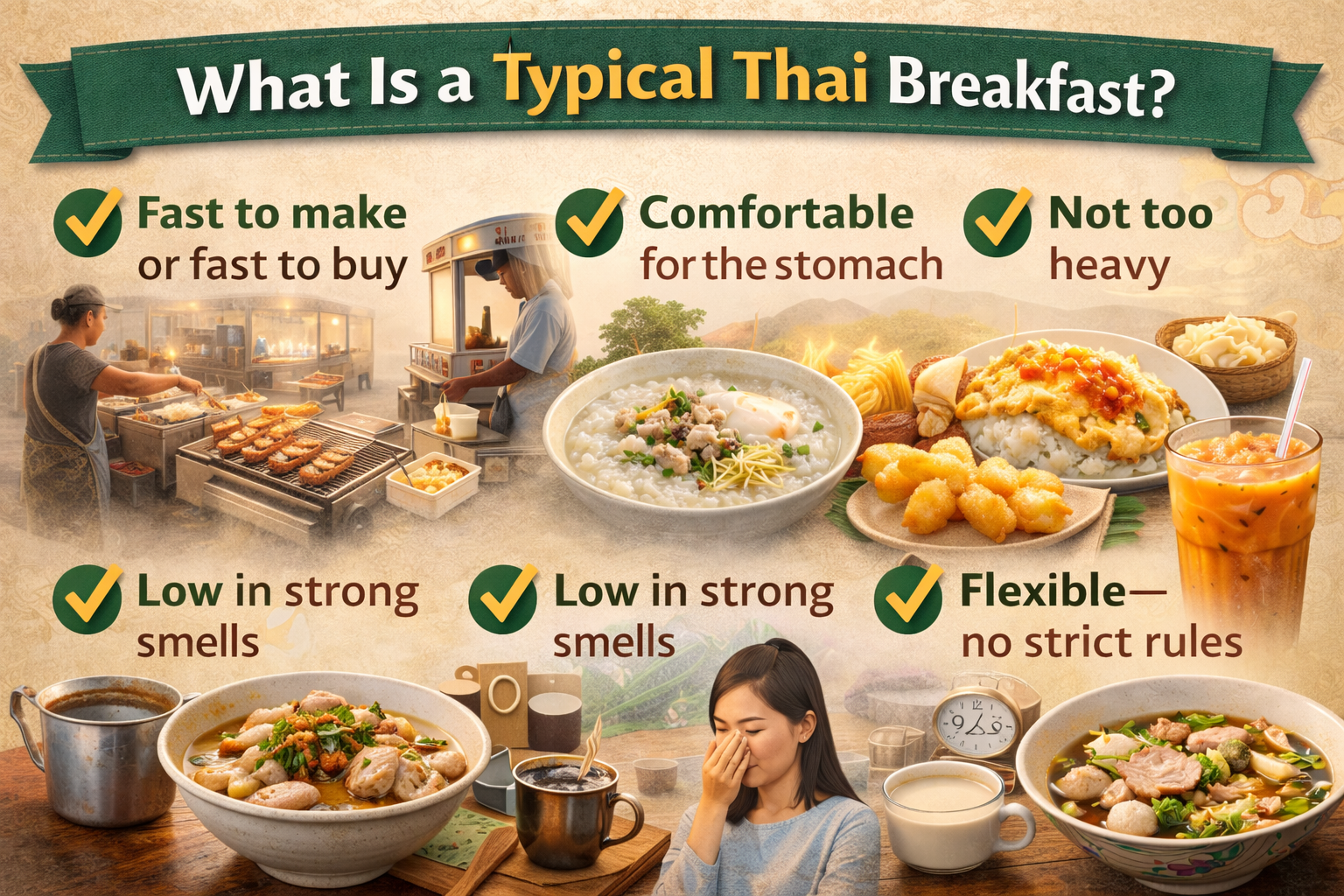
This is also why breakfast in Chiang Mai can be so fun: you’re not limited to one “breakfast menu.” You can mix comfort, street culture, and sightseeing—especially around the Old City where everything is walkable.
Order with Confidence
Popular Thai Breakfast Foods
Below are some of the most common Thai breakfast choices you’ll see across Thailand, including Chiang Mai. For each dish, you’ll get the quick backstory, the flavor profile, and key ingredients.
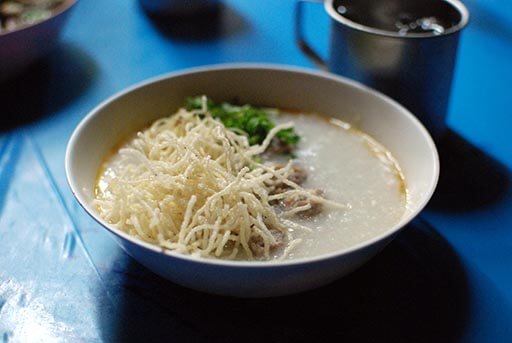 Jok is a smooth, softly cooked rice porridge—think of it as Thailand’s ultimate comfort breakfast. It’s commonly sold early in the morning because it’s gentle, warm, and easy to eat quickly. Rice porridge exists across Asia in many forms, and Thai jok became a local favorite because it’s inexpensive, filling, and easy to customize. It’s also a go-to when you want something soothing after a late night. Taste & texture: Mild, savory, and comforting. The texture is silky and soft. Not spicy by default, with no strong smells—perfect if you’re heading out to temples. Common ingredients: Rice cooked down until creamy; pork meatballs or minced pork; soft-boiled egg; ginger, scallions, cilantro; crispy fried garlic.
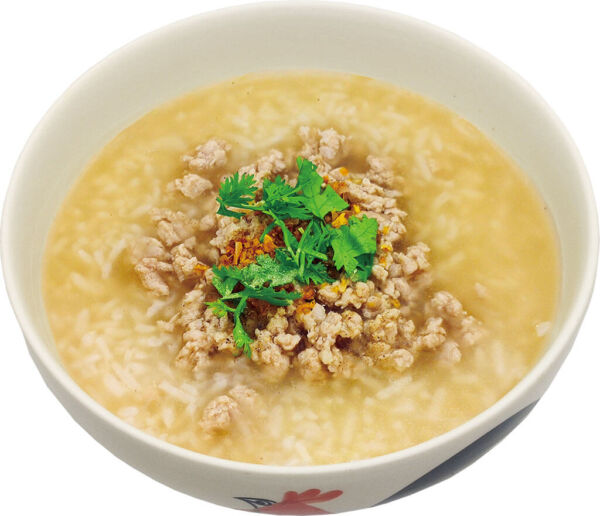 Khao tom is rice soup—separate grains of rice in a light broth (unlike jok, which is creamy). It’s simple, warm, and very common in the morning. It became popular as a practical morning meal because it’s easy to cook in large batches and can be served with different proteins. Taste & texture: Light, clean, and savory. It feels “easy” on the stomach and doesn’t carry strong odors. Many add a little pepper, but it’s typically mild. Common ingredients: Jasmine rice in clear broth; pork, fish, or shrimp; garlic, ginger, spring onion; optional Chinese-style preserved vegetables.
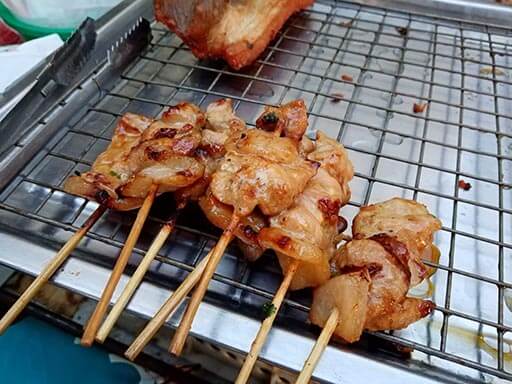 Moo ping is grilled pork on skewers—sweet-savory, smoky, and quick. It’s one of the most iconic “grab-and-go” Thai breakfasts, especially for commuters. Sticky rice turns it into a complete meal you can eat with your hands. Taste & texture: Slightly sweet, savory, and smoky with a caramelized grill flavor. Sticky rice is warm, chewy, and comforting. Common ingredients: Pork marinated with garlic, pepper, soy sauce, and a touch of sweetness; coconut milk to soften the pork; sticky rice in a small bag.
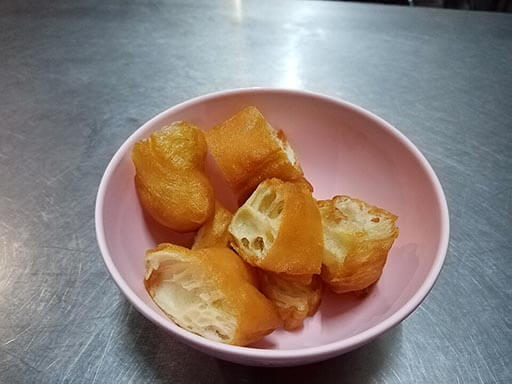 Patongo are Thai-style fried dough sticks—crispy outside, airy inside—often eaten with soy milk in the morning. Some dip it in condensed milk or pandan custard, but soy milk is the classic pairing. This breakfast reflects Chinese-Thai influence woven into everyday food culture. Taste & texture: Crispy, slightly chewy, and mildly savory. The soy milk is warm, smooth, and lightly sweet. Together, comforting and easy. Common ingredients: Wheat dough fried fresh; soy milk (hot or iced); optional dips like pandan custard or condensed milk.
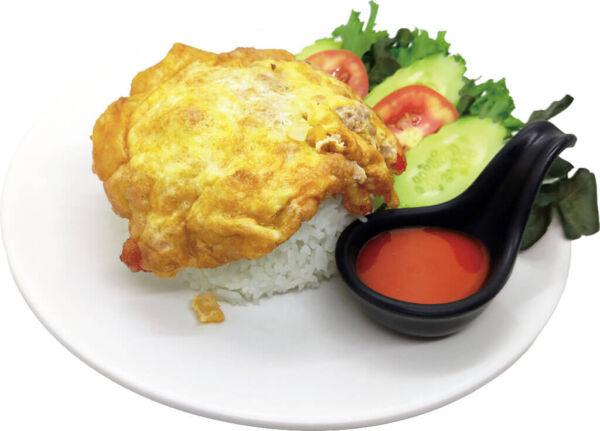 Kai jeow is a Thai omelet—often fluffy and slightly crispy at the edges—served over rice. It’s simple, comforting, and extremely common. Eggs are accessible and fast, and rice is the everyday base of Thai meals, making this the definition of “quick comfort food.” Taste & texture: Savory, slightly salty, and satisfying. Thai omelets are often cooked hot so they puff and get light crisp edges. Common ingredients: Eggs + fish sauce; optional minced pork, onion, or herbs; rice; often served with chili sauce (you can choose mild).
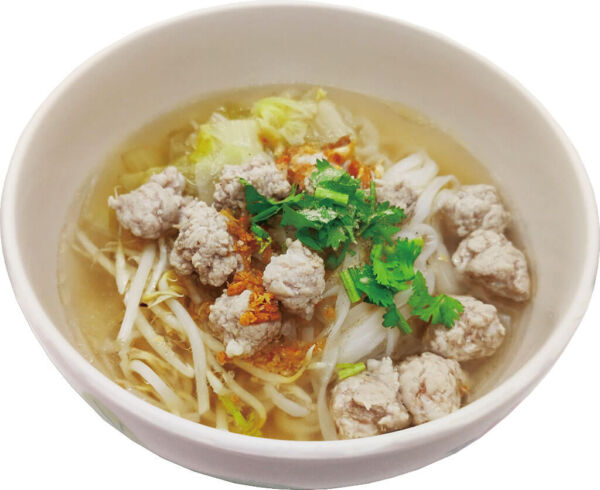 Kuay teow is noodle soup—served with different broths, meats, and noodles. It’s a favorite breakfast because it’s quick, warm, and customizable. Over time, noodle soup became an everyday meal at any hour, especially mornings. Taste & texture: Depends on the broth. Clear broths are clean and mild; richer broths are deeper and more savory. Most bowls are balanced. Common ingredients: Rice or egg noodles; clear pork-based broth or other styles; sliced pork, meatballs, or chicken; garlic, scallions, greens; optional chili, vinegar, sugar, fish sauce.
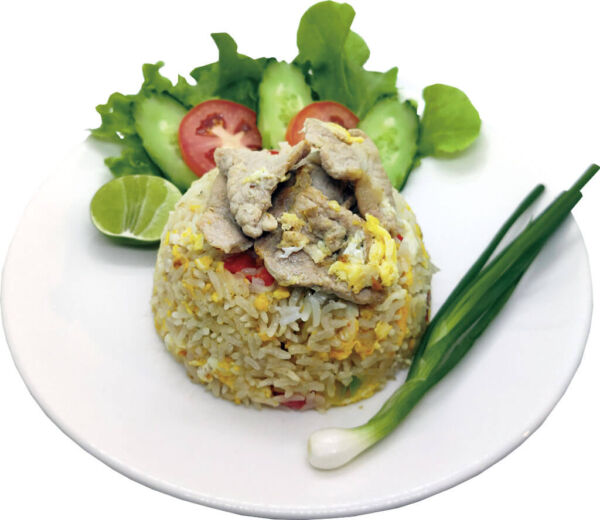 This category is the most “Thai breakfast philosophy” of all: people eat normal Thai meals in the morning when that’s what’s available. Fried rice, basil stir-fry, stir-fried vegetables with rice—common morning options. Many small restaurants cook the same staples all day. Taste & texture: Savory, familiar, and flexible. You can choose mild versions, add an egg, and keep it comfortable for a morning schedule. Common ingredients: Rice, garlic, soy/fish sauce; vegetables, chicken, pork, or seafood; basil stir-fry is popular (request mild).
What Locals Order
Thai Breakfast Drinks
Morning drinks in Thailand are part of the routine—often chosen for energy, comfort, or convenience.
 Thai iced coffee is usually stronger, sweeter, and more dessert-like than the iced coffee many travelers know from Western cafés. It’s often made with a robusta-forward brew, sometimes using a traditional cloth “sock” filter, then mixed with sweetened condensed milk. The result is bold, creamy, and very aromatic—built for hot weather and quick energy.
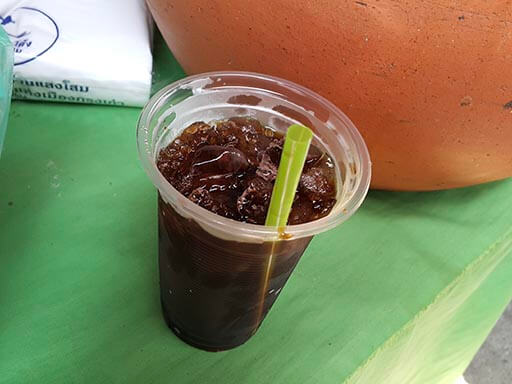 Oliang is not just “iced coffee.” It typically has a smoky, roasted flavor because the brew may include roasted grains or seeds, creating a darker, toastier profile than standard café iced coffee. It’s usually served black or lightly sweetened, over ice, and feels closer to a refreshing street drink than a latte.
 Thai tea is much sweeter and more fragrant than most “milk tea” tourists get abroad. The signature taste comes from strong black tea, often with a distinct vanilla/spice aroma, then blended with condensed milk for a thick, creamy texture. It’s designed to be ice-cold, bright, and indulgent—almost like a drinkable dessert.
Near Wat Chedi Luang
Where to Try Thai Breakfast in the Old City
If your day includes Wat Chedi Luang, you’re already in one of the best areas to enjoy breakfast in Chiang Mai. The Old City is compact, walkable, and full of morning-friendly options. Here’s how to choose what fits your travel style:
Want specific recommendations instead of general tips? We compared the city’s morning spots in person — see our honest pick of the 5 best breakfast spots in Chiang Mai (2026), including hours, prices, and what to order at each one.
The Chiang Mai restaurant locals love
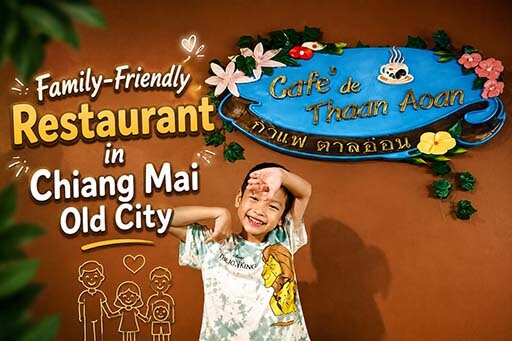
Thaan Aoan

Must-Try Dishes
THAI DISHES

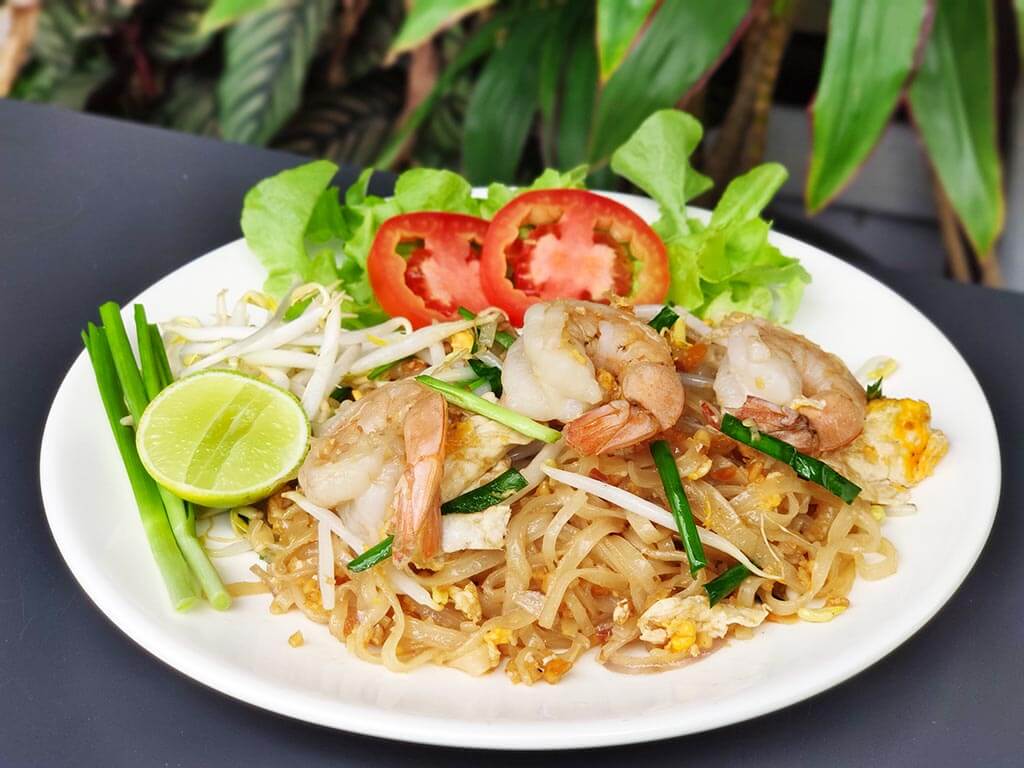

We’re all about keeping our Thai flavors authentic
— no compromises.
“Fresh, Tasty & Easy”
A great day can start with hot, made-to-order food bursting with real Thai flavor. From the very first bite, you’ll taste it: fresh ingredients, fragrant herbs, and that just-right balance of spicy, sour, salty, and sweet. This isn’t rushed, “good enough” food — it’s Thai cooking that keeps you coming back. What makes it even better is our warm, thoughtful service: friendly smiles, helpful recommendations, remembering your favorites, and happily adjusting the spice level to suit everyone.
Reviews from Real Guests
Frequently Asked Questions
Thai Breakfast: FAQ
Common questions visitors ask about eating breakfast like a local in Chiang Mai.
One Last Thing
How to Order Thai Breakfast Like a Local
Thai breakfast is all about practicality. The best strategy is simple:
Read More Chiang Mai Guides
Planning a trip to Chiang Mai?
Read more guides from the Thaan Aoan team to make planning your Chiang Mai trip easier.