Thailand–Cambodia Conflict in Late 2025: What Travelers to Thailand Should Know
A calm, practical travel guide for international visitors.
This article explains how the situation escalated, what has been reported, which areas are affected, and why most destinations, including Chiang Mai, remain normal for tourism.
Quick answer for travelers:
The conflict is geographically limited to certain border provinces near Cambodia. Most of Thailand, including Chiang Mai, Bangkok, Phuket, Krabi, and Chiang Rai continues as normal for tourism. If your route includes border-facing areas or land crossings, follow official advisories and stay flexible.
This guide is written for international tourists, especially first-time visitors planning a Thailand itinerary. It aims to be clear and factual while acknowledging that border communities are facing real disruption and that emotions within Thai society are understandably intense.
- Timeline: How the Thailand–Cambodia Conflict Escalated in 2025
- How the Fighting Has Unfolded: A High-Level Overview for Travelers
- Why Thai Public Anger Has Intensified: Alleged Landmine Incidents
- Impact on Daily Life in Thailand
- Chiang Mai Update: No Impact on Travel or Daily Life
- Travel Advice for Tourists: Practical Planning in Late 2025 and Early 2026
- Related Posts

Timeline: How the Thailand–Cambodia Conflict Escalated in 2025
The conflict in late 2025 did not appear overnight. Reporting and public timelines describe earlier tension during 2025, followed by a sharper escalation in early December. The underlying context is a long-running border dispute, with periods of calm interrupted by recurring incidents. For travelers, the key is understanding that the events are concentrated near the border rather than across Thailand as a whole.
Coverage describes earlier incidents in 2025, including exchanges near border areas and attempts to de-escalate. These earlier events created an unstable environment where misunderstandings, patrol encounters, and localized violence could quickly spiral. While details vary across sources, the consistent theme is a fragile situation that remained unresolved heading into the end of the year.
Multiple reports describe renewed clashes around 7–8 December 2025, followed by heavier fighting in some border sectors. Both governments issued statements blaming the other, while military readiness increased and civilians in affected areas faced uncertainty. This period is widely described as a turning point from sporadic tension into a more serious phase of conflict.
As the situation continued, international coverage described ongoing exchanges, humanitarian impacts, and public debate over ceasefire claims. During active conflict, official narratives often differ and details can change quickly. For travelers, the practical approach is to follow official travel advisories and reputable news updates rather than relying on unverified social media clips.
Recommended ongoing coverage hubs for readers who want to follow updates:
How the Fighting Has Unfolded: A High-Level Overview for Travelers
International reporting describes military activity concentrated in specific border zones. Coverage has mentioned artillery exchanges, ground engagements, and air operations, with each side disputing details. Because this is an active situation, operational claims are often contested and may evolve over time. For travel planning, the most useful question is not tactical detail but whether tourist routes and major cities are disrupted.
- Reports have referenced heavy weapons exchanges in some border sectors.
- Both sides have issued competing statements; some details remain disputed.
- Civilian displacement and evacuations have been reported in affected border communities.
- Most national transport hubs and major tourist destinations continue operating normally.
Traveler note:
For decisions like border crossings, remote road trips, or visits to frontier provinces, prioritize official travel advisories from your government and local Thai authorities. Treat viral clips and anonymous claims with caution.
Why Thai Public Anger Has Intensified: Alleged Landmine Incidents
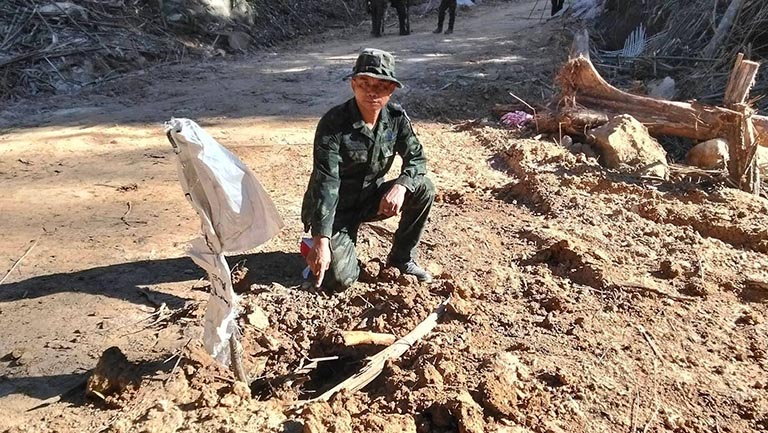
A particularly sensitive issue driving strong emotions in Thailand is the allegation that landmines were newly placed or activated within Thai territory near the border, causing injuries. This topic has resonated deeply because landmines are widely viewed as weapons that can harm civilians long after fighting ends. In Thai public discussion, the central fear is not only the immediate conflict but also long-term danger to farmers, villagers, and families who live and work near frontier land.
At the same time, it is important to acknowledge that these allegations are discussed within an ongoing conflict where claims and counterclaims continue to emerge. Journalists and international observers rely on official statements and verified reports as information develops. What is clear from the Thai public reaction is that anger is largely rooted in concern for safety and sovereignty, rather than hostility toward ordinary Cambodian people. In most Thai cities far from the border, multicultural daily life continues normally.
Balanced note:
Strong emotions can exist alongside a desire for peace. Many Thais are upset about civilian risks while still hoping for dialogue and a quick end to violence.
Impact on Daily Life in Thailand
Border Provinces Most Affected
The practical impact is felt most strongly in provinces close to the Cambodia border. In these areas, residents may face temporary evacuations, movement restrictions, road closures, and heightened security measures. Businesses in immediate border communities can experience reduced activity, and families may be displaced away from high-risk zones.
For travelers, the key is that impacts are localized: disruption is real near certain border districts, but it does not represent day-to-day conditions across Thailand.
- If your plan includes frontier districts or land crossings, check advisories before you go.
- Consider postponing travel to sensitive border zones until the situation stabilizes.
- Be cautious with routes to provinces that directly border Cambodia, especially in the east.
Other Regions of Thailand
Outside the border zones, daily life across Thailand has continued as normal in most places. Major airports, airlines, hotels, and tour operators continue operating. Typical tourism routes from Bangkok to Chiang Mai, island travel in the south, and popular cultural circuits remain available. Travelers should still practice standard travel awareness, but there is no broad indication that the conflict affects the entire country.
Chiang Mai Update: No Impact on Travel or Daily Life
Chiang Mai is in northern Thailand and far from the Cambodia border. There has been no direct impact on tourism or everyday life in Chiang Mai related to the border conflict. Visitors can continue to enjoy cafés, temples, markets, day trips, mountain views, and the slower pace the city is known for. Hotels and tours operate normally, flights continue as scheduled, and there is no notable social tension involving Cambodian residents or workers in the city.
For first-time travelers, Chiang Mai remains calm, welcoming, and safe, offering the same cultural experiences and relaxed atmosphere that draw visitors year after year.
- Tourism continues normally in Chiang Mai.
- No conflict-related disruptions to flights, hotels, cafés, or tours.
- Peaceful multicultural daily life remains unchanged.
Travel Advice for Tourists: Practical Planning in Late 2025 and Early 2026
If you are planning a Thailand trip during this period, the safest and simplest approach is to keep your itinerary focused on major tourist regions, avoid border zones, and stay informed through official sources. This is especially relevant if you plan overland travel near the east, remote road trips close to the frontier, or any Cambodia–Thailand land crossings.
For most travelers visiting popular areas, Thailand remains open, welcoming, and operational.
Major destinations remain open: Chiang Mai, Bangkok, Phuket, Krabi, Samui, Chiang Rai, Ayutthaya.
- Avoid unnecessary travel near active border zones until the situation stabilizes.
- Stay flexible with border crossing plans; restrictions can change quickly.
- Use official advisories and reputable news sources for updates.
Final Thoughts: A Shared Hope for Peace
This conflict has caused real hardship for communities near the border, and it is understandable that emotions in Thailand are high, particularly around civilian safety concerns and allegations involving landmines.
At the same time, most of Thailand remains peaceful and continues to welcome visitors. Across the region, ordinary people share the same wish: peace, safety, and a swift resolution, so that local communities can return to normal life as soon as possible and travelers can explore Thailand with confidence.
Planning your trip to Chiang Mai?
Here are a few pointers to help you plan your trip to Chiang Mai.