CHIANG MAI ITINERARY — CREATED BY LOCAL CHIANG MAI RESIDENTS
3 Days in Chiang Mai
A Realistic Itinerary for First-Time Visitors
Old City • Mae Rim • Doi Suthep • Nimman
Last reviewed July 13, 2026
PLAN LESS. EXPERIENCE MORE.
The Best of Chiang Mai in Three Well-Paced Days
Planning your first trip to Chiang Mai can feel overwhelming: ancient temples, mountain views, elephant experiences, markets, cafés, and dozens of possible day trips. This local itinerary turns those choices into a practical three-day route with realistic pacing and simple transport advice.
You will spend Day 1 exploring the walkable Old City, Day 2 in Mae Rim for elephants and nature, and Day 3 at Doi Suthep before cafés and shopping in Nimman. Keep the order flexible—especially if you want Sunday Walking Street to fall on your final evening.
Key Takeaways
If this is your first time in Chiang Mai, planning can feel confusing—so many places, so little time. Don’t worry. This local guide gives you a clear three-day route, realistic travel times, simple transport choices, and flexible evening options—so you can spend less time planning and more time enjoying Chiang Mai.
THE 30-SECOND VERSION
Chiang Mai 3-Day Itinerary at a Glance
| Day | Area | Main highlights | Best transport |
|---|---|---|---|
| Day 1 | Old City | Wat Chedi Luang, Wat Phra Singh, Tha Phae Gate, Night Bazaar | Walk + Grab |
| Day 2 | Mae Rim | Elephant experience, botanic garden, waterfall, Huay Tung Tao | Private driver or tour transfer |
| Day 3 | Doi Suthep + Nimman | Mountain temple, cafés, malls, Sunday Walking Street if available | Grab or red truck |

Know Before You Go
Day 1 — Chiang Mai Old City: Temples, Lanes and Night Markets
Day 1 is all about the Chiang Mai Old City. It’s the most beginner-friendly area because you can walk, stop for coffee anytime, and see famous temples without long drives. The streets feel calm, and the city’s history is everywhere. Let’s start with one of the city’s most important temples, Wat Chedi Luang.
Transportation: Grab or Red Truck or TUK TUK – Tell them you want to go to Wat Chedi Luang. Because these stops are in the city, walking and short Grab or red-truck rides are usually the easiest options.
Morning to Afternoon
After breakfast, let’s start our first-day journey around the old city. This walk combines Lanna architecture and history with plenty of time for local cafés, lunch, photos, and short breaks.
If you want a deeper temple plan later, you can also read our guide here:
Temple walk
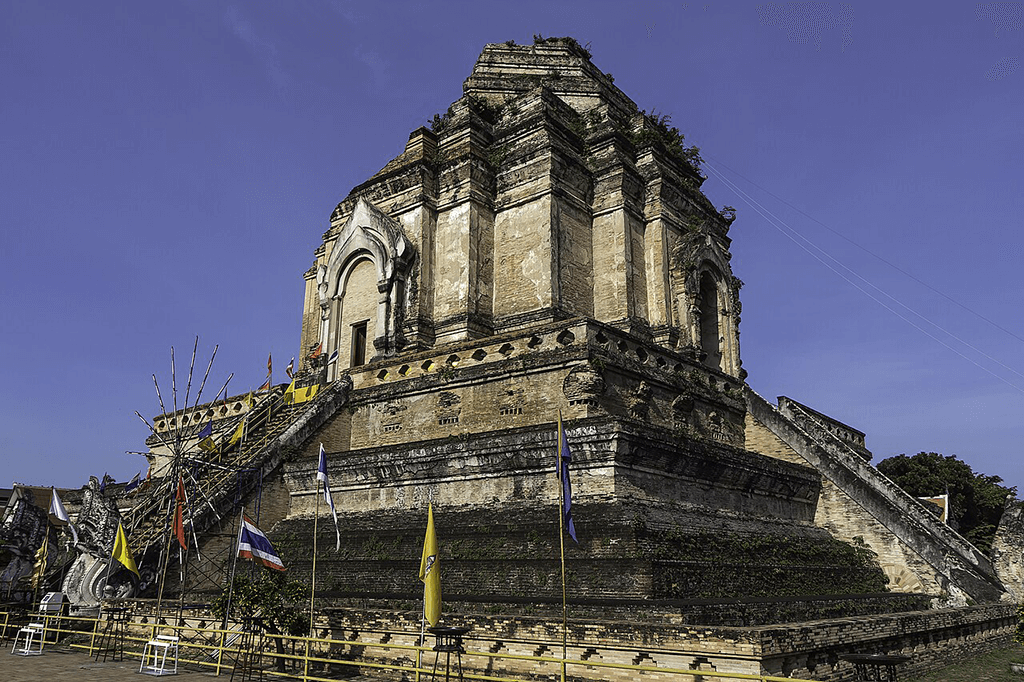
Wat Chedi Luang is one of Chiang Mai’s most important temples, originally built in the 14th–15th centuries during the Lanna Kingdom. Its massive brick chedi (stupa) once stood as the tallest structure in the city, but part of it collapsed after an earthquake in the 16th century—today, the “ruined” look is actually part of its charm and history. For a time, this temple also housed the Emerald Buddha (Phra Kaew), Thailand’s most revered Buddha image, before it was moved south. The temple complex you see now includes newer buildings alongside the ancient chedi, making it a great place to feel Chiang Mai’s layers of time in one stop.
Interesting highlights
The giant ancient chedi with elephant sculptures at the base
Great photo angles early in the morning (soft light, fewer people)
A powerful “old Lanna” atmosphere right in the Old City
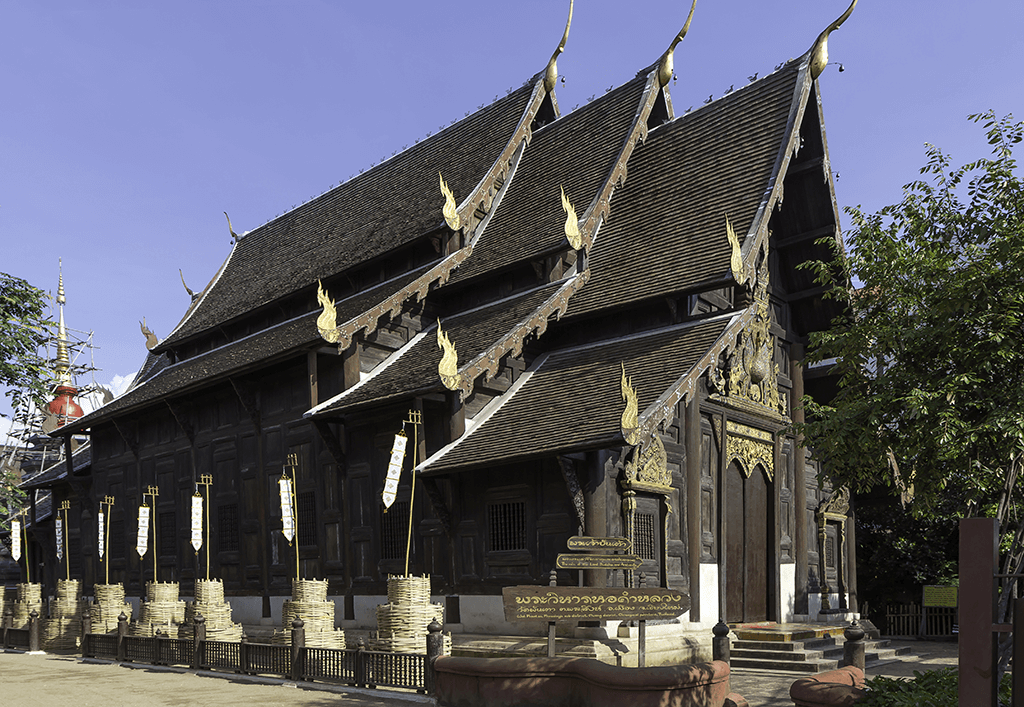
Wat Phan Tao is a smaller, quieter temple right next to Wat Chedi Luang, but it often becomes a favorite because it feels intimate and peaceful. The temple’s main hall (viharn) is made mostly of teak wood, and it’s believed to have once been part of a royal palace structure before being converted into a temple building. The craftsmanship is beautiful—especially the carved wooden details and the golden peacock motif above the entrance, which is linked to Lanna identity and symbolism. Because the space is compact, it’s easy to appreciate details up close, and it’s a great contrast after seeing the huge chedi next door.
Interesting highlights
Teakwood viharn with elegant Lanna-style carving
The golden peacock decoration on the front gable
Calm, shaded courtyard that feels “local” and not crowded
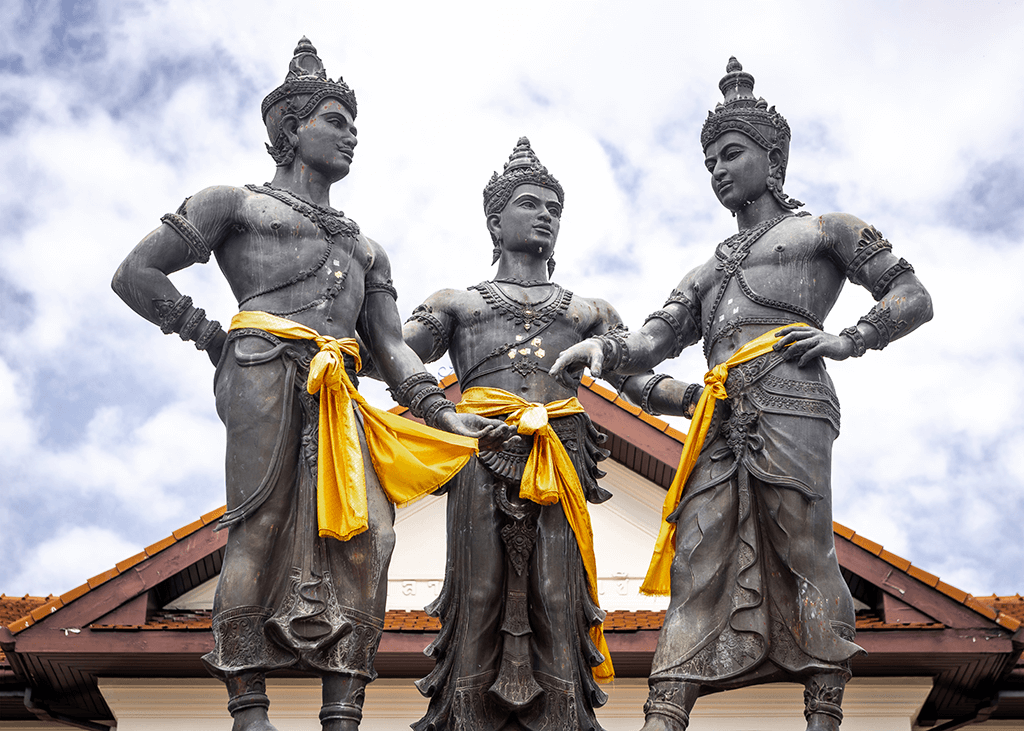 The Three Kings Monument is a central landmark in Chiang Mai’s Old City, honoring the founding of Chiang Mai in 1296. The statues represent King Mengrai (the founder of the city), King Ramkhamhaeng of Sukhothai, and King Ngam Muang of Phayao—three rulers said to have cooperated in planning the city’s location and establishment. The monument stands in an open plaza that often hosts cultural events, small exhibitions, and local gatherings. It’s also surrounded by museums and historic buildings, so it feels like a “civic heart” of the Old City rather than a temple space.
Interesting highlights
A key “photo stop” for Chiang Mai’s founding story
Often has small cultural displays or community events nearby
Close to museums and easy to connect with a walking route
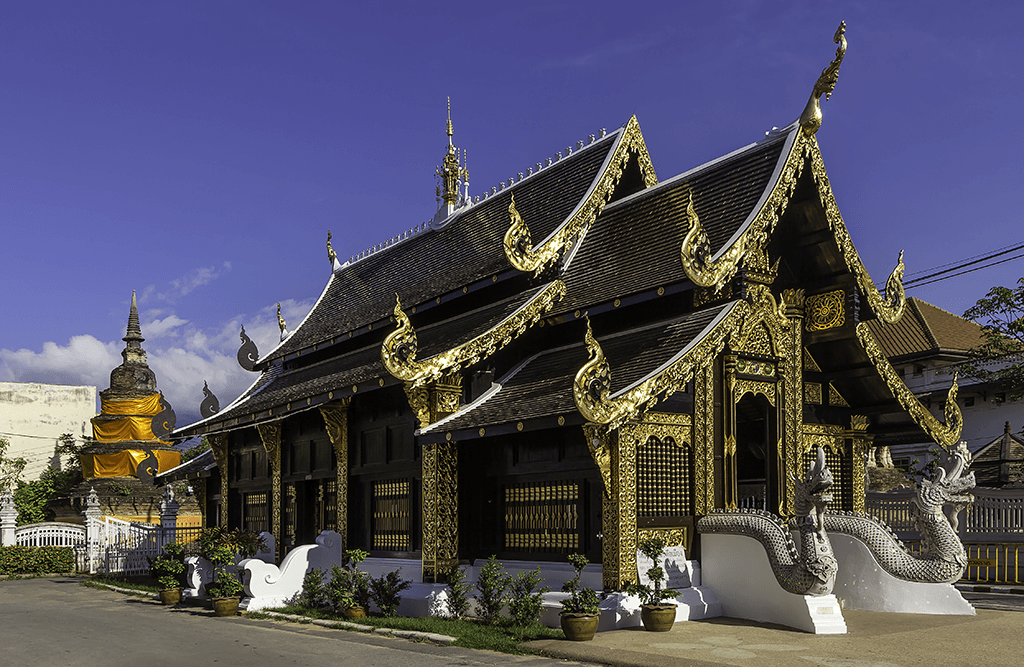
Wat Inthakhin Sadue Muang, also known as the City Pillar Temple, is linked to Chiang Mai’s spiritual protection and city identity. It houses the Inthakhin city pillar, a sacred object believed to guard the city and bring stability and prosperity. The temple’s history is deeply tied to Lanna-era traditions and local beliefs, and it remains a meaningful place for Chiang Mai residents, not only tourists. Each year, it is associated with rituals and ceremonies (including the famous Inthakhin festival) where locals come to pay respect and make offerings. The setting is peaceful, with a strong sense of “living tradition.”
Interesting highlights
The sacred city pillar (Inthakhin) and local protective beliefs
A more “local faith” atmosphere compared to bigger tourist temples
A great place to quietly observe Chiang Mai’s spiritual culture
Walking the Old City lanes is one of the best ways to understand Chiang Mai beyond the main landmarks. The Old City is a historic square surrounded by remnants of ancient walls and moats, once designed as a fortified capital of the Lanna Kingdom. As you stroll, you’ll pass leafy courtyards, wooden homes, hidden cafés, small shrines, and quiet temple corners that don’t appear on every tourist map. The pace is slow, the streets are walkable, and you can feel how modern daily life blends into a 700+ year-old setting. This “in-between time” is perfect for photos, a coffee stop, or simply cooling down in the shade.
Interesting highlights
Hidden alleys, small gates, and unexpected temple entrances
Great street photography: textures, doors, plants, local details
The “real Chiang Mai vibe” between famous attractions
Choose a nearby spot so you don’t spend the hottest hour walking too far.
Or return to Thaan Aoan for a reliable meal (it’s very close to your morning route).
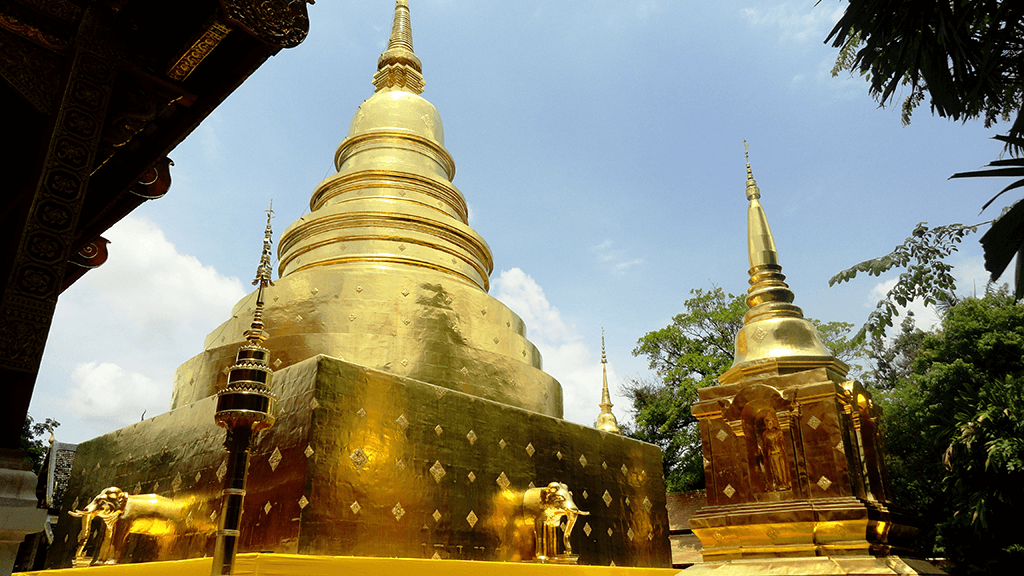
Wat Phra Singh is one of Chiang Mai’s most famous and respected temples, known for its beautiful Lanna architecture and its central role in the city’s religious life. It was founded in the 14th century and is home to the Phra Singh Buddha image, one of the most revered in Northern Thailand (and connected to important ceremonies). The temple complex features elegant golden details, classic layered roofs, and richly decorated halls. Even if you’ve visited many temples, Wat Phra Singh stands out because it feels both grand and active—locals still come here regularly to pray, make merit, and join festivals. It’s also a good place to notice the difference between Thai and Lanna temple styles.
Interesting highlights
Stunning Lanna-style viharn and golden decoration
Important Buddha image: Phra Singh (a major Northern icon)
A “must-see” temple that still feels alive and used daily
- Cool down and recharge before the final temple stop.
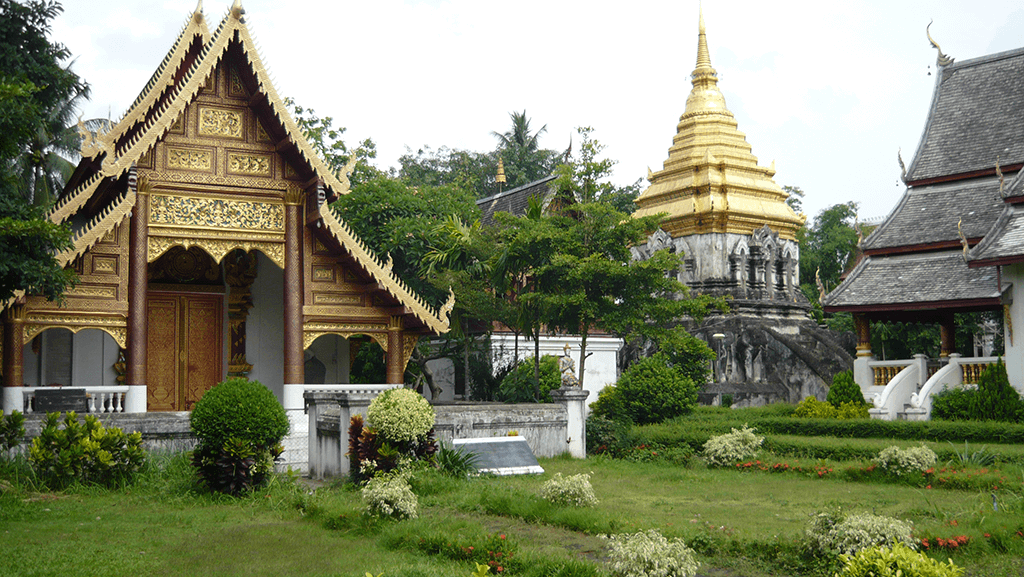
Afternoon (Famous Photo Spot & Nightlife)

Head to Tha Phae Gate for photos and a bit of people-watching. It’s a classic Chiang Mai landmark, and it’s fun to soak in the street life here—especially in the late afternoon when the light turns softer and warmer.
If you enjoy a lively nightlife scene, you can stay around the Tha Phae area a little longer. There are plenty of small bars, music spots, and late-night snacks nearby, so it’s easy to just wander and see where the evening takes you.
If nightlife isn’t your thing, no problem—keep the evening simple. From here, you can continue on to the Chiang Mai Night Bazaar, one of the easiest places to shop for souvenirs and enjoy a relaxed night walk. You’ll find local crafts, small gifts, and lots of street food along the way. It’s a nice, low-effort way to end your day without having to plan too much.
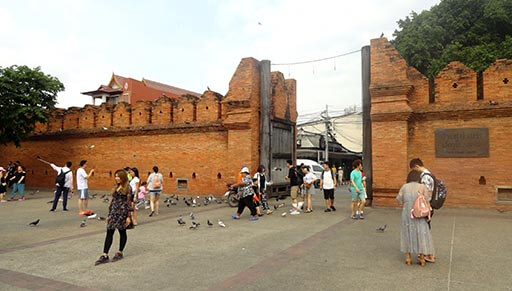
Tha Phae Gate is the most famous gate of Chiang Mai’s Old City wall, on the east side of the square moat. The structure you see today is a reconstruction (mid-1980s) on the site of the historic gate, which was originally built in the Lanna-era city-wall system.
Activities
Get the classic Chiang Mai photo (brick gate + wide open plaza). It’s one of the city’s main “meeting points,” so there’s always a lively vibe
How long does it take?
Quick stop (photos + short walk): 15–30 minutes
Relaxed visit (photos + nearby cafés): 45–90 minutes

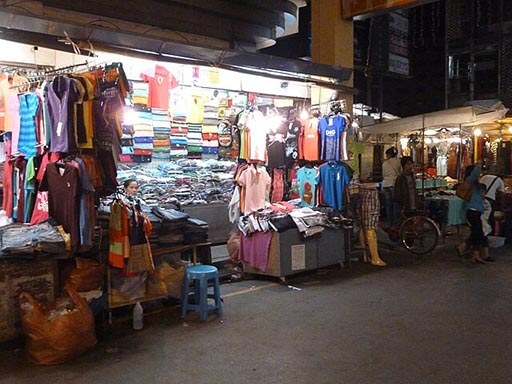
Day 2 — Mae Rim: Elephants, Gardens and Waterfalls
Day 2 is your “mountains and nature” day. Start early so you get cooler air and fewer crowds. This day feels very different from the Old City, and it’s usually a favorite for first-time visitors, with elephants being one of the main highlights.
Transportation:
Option 1: A private van with a driver is more comfortable because you’ll be traveling a bit farther from the city to the Mae Rim area. Many visitors book a van for the day. Prices vary, but it often starts around 1,500–2,000 THB, plus fuel.
Option 2: If you book a full-day activity with the elephant sanctuary, they will send a van to pick you up at your hotel, so there’s no need to book your own van.
Before starting your journey, it’s best to get breakfast for you and your family. Many places in Chiang Mai usually open late (8:00 am or 9:00 am), so you can always drop by at Thaan Aoan for an early breakfast.
Elephant Experiences (Mae Rim Area)
8:00 am – 10:30 am
Allow about 45–60 minutes to drive from Chiang Mai Old City to Mae Rim. Opening and pickup times vary, so confirm the exact schedule with your chosen venue before booking.

Me and my son
Want an elephant day that feels kind, calm, and easy for first-time visitors?
Here are 3 popular places around Mae Rim, explained in simple words. While I am a Chiang Mai native, I have not used some of the tour packages that these sanctuaries offer, such as the full-day package, but I’ve taken a lot of my friends there and heard their feedback and such, so I’ll be sharing my experience from that.
With that in mind, my son loves seeing the elephants. We’ve been to these places multiple times and have done a lot of activities with them.
Quick Tip Before You Book
For a lower-impact experience, compare venues carefully and prioritize programs that let elephants move freely, avoid performances, and do not offer riding. Two options to research are:
- Mae Rim Elephant Sanctuary or
- Mae Rim Elephant Home
Mae Sa Elephant Camp is more commercial and has historically offered riding and shows. If animal welfare matters to you, review its current program before visiting and choose observation-led activities without riding or performances.
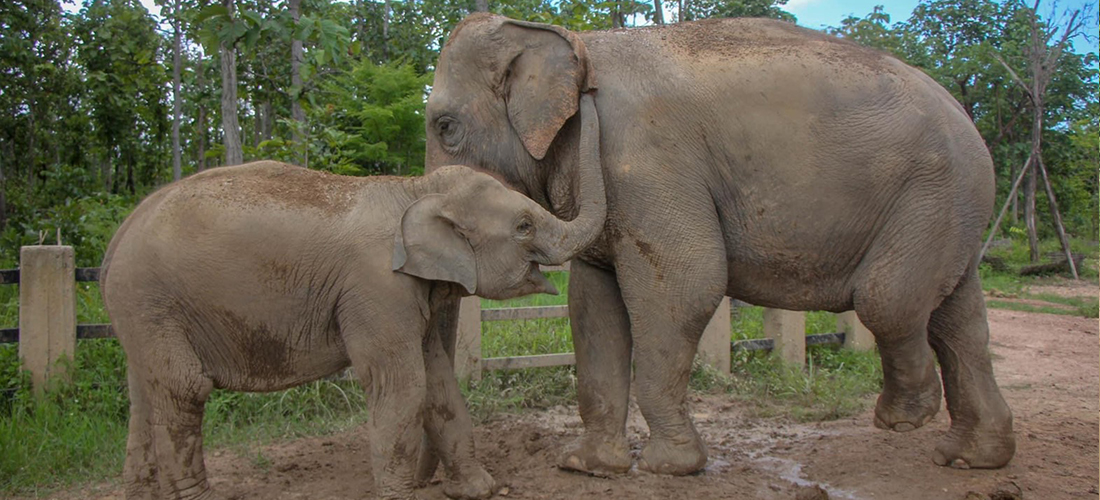
This place is a common pick for travelers who want a fully guided experience in nature. Most visitors come here for feeding, walking with elephants, and taking a bath for the elephants’.
What you can do (typical activities)
Feed elephants up close
Walk with elephants in a natural area
Water or mud activities (depends on the program)
The guide explains elephant behavior and care
Highlights
Guides are friendly and explain things clearly
The day feels organized and not rushed
Many visitors love the photo moments (great memories)
Good choice for first-timers because staff help a lot
Programs & pricing
“Greet & Feed” starts around 800 THB (self-transport)
Half-day / Full-day: pricing depends on the booking packages
Official booking page (check latest programs/prices): Maerim Elephant Sanctuary (official)
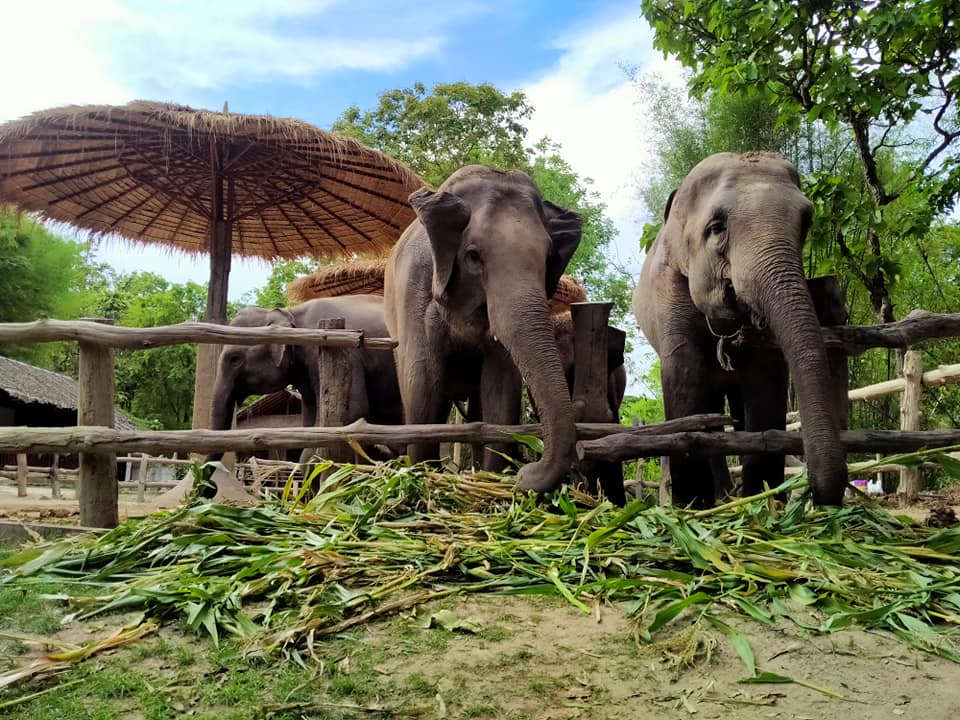
This one is often described as a “natural forest vibe” experience. You can feed and walk with elephants and bathe elephants in a stream.
What you can do (typical activities)
Learn basics about elephants and safety
Feed elephants and take photos
Walk with elephants in a nature area
Wash/brush elephants in water (depends on the program)
Highlights
The setting feels green and peaceful
Staff are friendly and patient
Visitors feel close to elephants but still respectful
Many say it feels like a “real memory,” not a quick show
Programs & pricing
Feed & Photo: 1 hour, multiple rounds
Adult: 500 THB
Child (4–6): 250 THB
0–3: free
- Official booking page (check latest programs/prices): Mae Rim Elephant Home
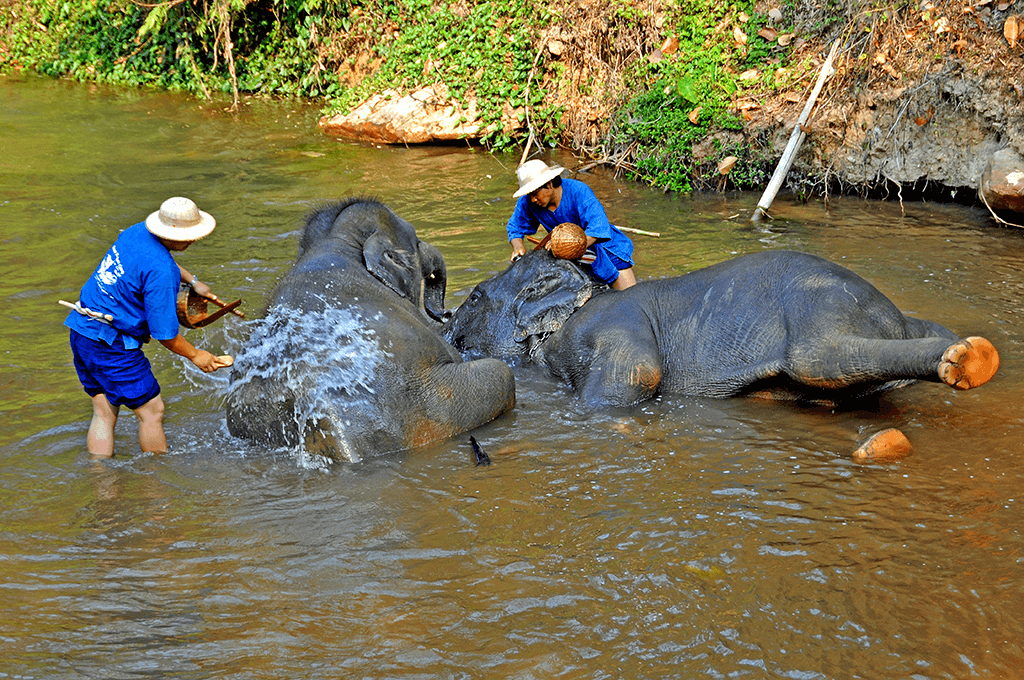
This is a famous stop in the Mae Rim area. Many people choose it when they want something simpler and shorter. You can simply pay a short stop visit and continue with your journey.
What you can do (typical activities)
Entry visit + fruit basket(extra fee) for feeding
Close-up elephant viewing and photos
Highlights
Feeding elephants is the main fun moment
Easy to understand for first-time visitors
Good for a short visit (around 1 hour style)
Convenient stop if you’re already in Mae Rim
Programs & pricing
Foreigners: 300 THB per person
Thai: 150 THB per person
- While the webpage says no riding / no show, it seems that they still provide riding.
Official booking page (check latest programs/prices): Mae Sa Elephant Camp
Lunch 10:30 am – 11:30 am
Keep lunch simple and nearby so you do not lose travel time before Queen Sirikit Botanic Garden. The schedule below is ambitious; families and slower travelers may prefer to choose either Mae Sa Waterfall or Huay Tung Tao rather than rushing through both.
Late morning–Afternoon 11:30 am – 5:30 pm
For this afternoon, we’ll stay in the Mae Rim area and keep the rest of the day focused on Chiang Mai’s natural side.
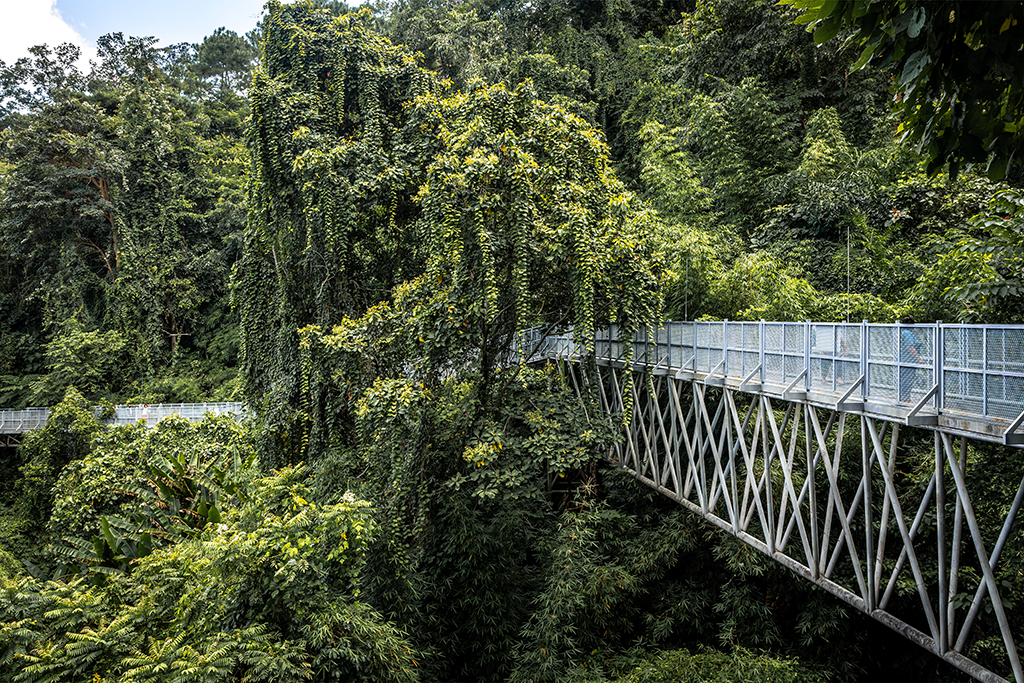
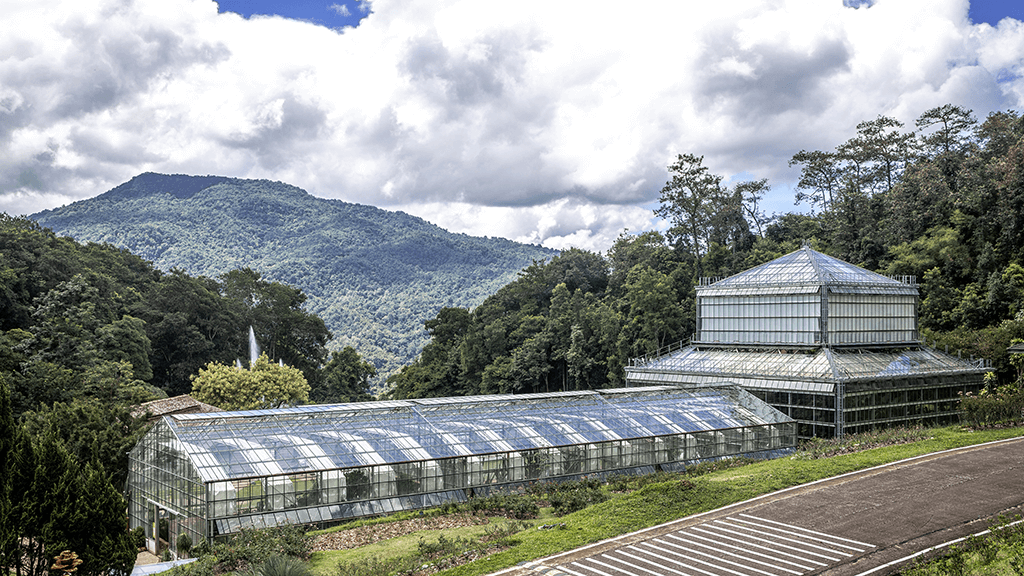
Queen Sirikit Botanic Garden (Mae Rim, Chiang Mai) is a large mountain botanical garden known for its beautifully curated plant collections, scenic walking trails, and the Glasshouse Complex with themed greenhouses. A must-do highlight is the Canopy Walks, an elevated walkway that lets you see the forest and gardens from above the treetops.
What People Like—Well-priced, love the canopy views, and enjoy the variety of plant houses.
Pro tip – The canopy walk may close during rain (plan a conservatory-first backup if clouds roll in).
Typical activities
Walk the Canopy Walkway for jungle views.
Visit the glasshouse/conservatory zones (different plant themes).
Use internal transport/shuttles if you don’t want to walk long distances (the garden is huge).
Highlights
Canopy Walkway (skywalk through the treetops)—the most mentioned highlight.
A quick visit to at least one conservatory (aquatic plants / succulents / orchids, etc.).
Hours/Admission
Open daily around 8:30 am to 5:00 pm
Admission around 50 THB (adults) and free for children under 12

Mae Sa Waterfall is a lush, multi-tier waterfall in the Mae Rim area (Doi Suthep–Pui National Park), popular for an easy nature escape close to Chiang Mai. It has 10 tiers with short walks between levels under shady trees and some spots where people relax, picnic, and cool off in the water.
Typical activities
Walk along the trail and choose how far up you want to go (many people do lower tiers + photo stops).
In warmer months, some visitors bring a towel/swimsuit for “feet in the water” moments (where safe/allowed).
Highlights
Aim for at least 2–3 tiers so you get the full “multi-level waterfall” feeling.
Look for viewing spots and calmer pools (especially if traveling with kids).
Programs & pricing
~100 THB for foreigners and ~30 THB parking (fees can change, so treat as “typical”)
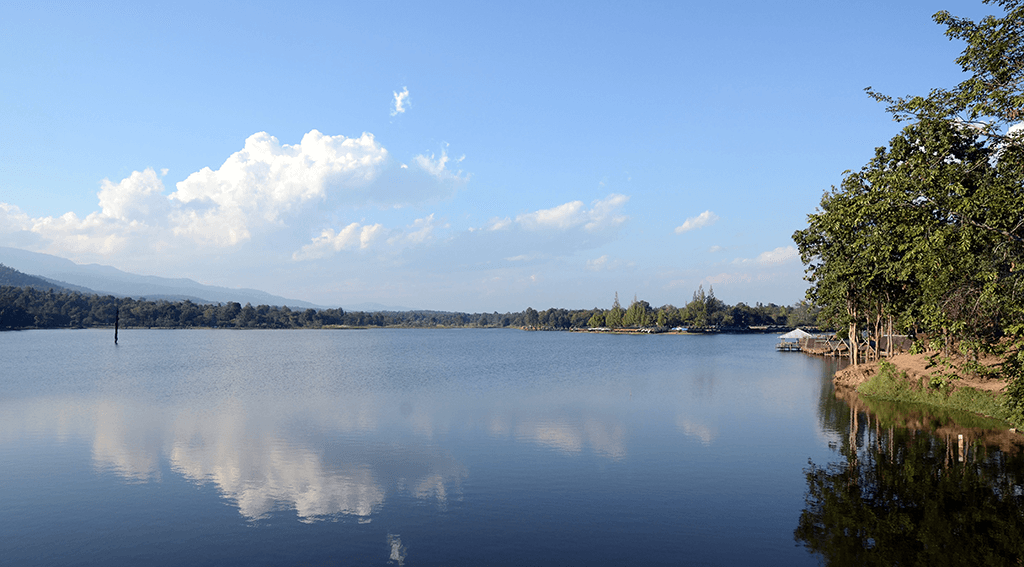

Huay Tung Tao Reservoir is a peaceful, man-made lake just outside Chiang Mai, set against mountain views near Doi Suthep. It’s popular for relaxing in bamboo huts by the water, ordering casual Thai food, and spending an easy afternoon swimming or picnicking.
Typical activities
Pick a bamboo hut over the water, order Thai food/drinks, relax with mountain views.
Short walk for photos and a slow “local afternoon” feeling.
Highlights
The bamboo huts + wide mountain backdrop (this is the signature experience).
Quick photo stops at the straw/animal sculptures
Very relaxing atmosphere, huts-on-water dining, and scenic views.
Day 3 — Doi Suthep, Nimman Cafés and Shopping
Day 3 will start with one of the best temples to visit in Chiang Mai: Wat Phra That Doi Suthep. You can’t miss this iconic temple if you’re in Chiang Mai. The rest of the day will be dedicated to shopping and café hopping. It’s perfect if you want to begin with a stunning view, then spend the rest of the day browsing in air-conditioned comfort and picking up gifts to bring home. Use Grab, since you’ll be moving between several areas.
Transportation: Grab or Red Truck
Morning 8:00 am – 10:00 am (Temple on the Mountain)

Go to Wat Phra That Doi Suthep in the morning. Even before you reach the temple, the drive up the mountain already feels like a mini adventure—cooler air, green forest views, and winding roads that slowly lift you above the city.
Once you arrive, the first thing most people notice is the famous Naga staircase—a long stairway guarded by serpent statues. It’s one of those “wow” moments that instantly feels like Chiang Mai. If you don’t feel like climbing, there’s also a cable car/funicular option. At the top, you’ll step into a space that feels both lively and peaceful: the sound of bells, soft chanting, incense in the air, and golden details everywhere. The main highlight is the golden chedi in the center—bright, glowing, and beautifully detailed—surrounded by smaller shrines and temple buildings. Many visitors like to slowly walk around the chedi, make a quiet wish, and take in the atmosphere.
Don’t rush the viewpoint area either. On a clear morning, you’ll get a wide view over Chiang Mai, and the light is usually softer for photos. This is why the best tip is still the same: go early—the weather is nicer, the temple feels calmer, and you’ll enjoy the experience more.
Traveling by car (in your case by car using Grab) usually takes around 20 – 25 minutes.

10:00 am – 1:00 pm (Nimman Café Hopping)
Nimman is a fun area because it’s young, lively, and full of cafés. It’s close to Chiang Mai University, so you’ll feel that student energy—people working on laptops, meeting friends, and trying new coffee spots.
If you love coffee, you’ll enjoy this part even if you only visit for 1–2 hours. Keep it simple: pick one café, order one drink, walk a little, then pick one more café. That’s the Nimman way.
Street food is also easy around this area. You’ll see small snacks, grilled items, and quick student-style meals. If you want something light, it’s perfect.

☕ Cafés & Coffee Spots
🍽️ Restaurants Worth Trying
1:00 pm – 6:00 pm (Big Malls: Easy Shopping)

Now move into “comfortable shopping mode.” Chiang Mai has great malls for travelers because you can cool down, eat, and shop in one place.
Start with Maya and One Nimman because they are within easy walking distance of each other. Maya is a modern mall that works well when you want simple, fast shopping. One Nimman feels more artsy and local—nice for photos, small shops, and a relaxed walking vibe. Then, don’t miss Central Festival, which is great for a full mall day with lots of brands and many restaurant choices.
6:00 pm – 11:00 pm Sunday Walking Street – (If It’s Sunday)

If your Day 3 lands on Sunday, end your trip at the Chiang Mai Sunday Walking Street. It usually starts near Tha Phae Gate and runs along Ratchadamnoen Road. You’ll see handicrafts, art, souvenirs, and lots of food. It’s one of the most “Chiang Mai” experiences you can have in one night.

Sunday Walking Street (also called the Sunday Night Market / Tha Phae Walking Street) is Chiang Mai’s biggest weekly market. It takes over Ratchadamnoen Road inside the Old City, running from Tha Phae Gate toward Wat Phra Singh, with extra stalls spilling into side lanes. Opens at 4 pm.
Activities
- Shop local crafts and handmade goods (a lot of it is Northern Thai / Lanna-style).
- Eat your way through street food stalls (great “try-a-bit-of-everything” night).
- Watch live performances (street musicians and small performance spots along the route).
- Get a quick foot/shoulder massage (some areas are set up specifically for this).
- Enjoy the Old City vibe at night—temples and historic buildings make the atmosphere feel extra special.
How long does it take to walk/visit?
- Quick “walk-through + a snack”: ~45–60 minutes
- Normal visit (shopping + food + slow browsing): ~1.5–3 hours
- If you love markets and want to see everything: 3+ hours (easy)
What souvenirs to buy?
- Hill-tribe/Northern textiles: woven bags, small pouches, and scarves.
- Wood carvings and handicrafts: small decor pieces, carved animals, and bowls.
- Local art and prints: easy-to-pack gifts (great for friends/coworkers).
- Handmade accessories: bracelets, earrings, and simple jewelry.
- “Elephant pants” + casual market clothes (classic Chiang Mai market souvenir).
- Small lifestyle gifts: handmade soaps, balms, little crafts (good as stocking-stuffer style gifts).
The Chiang Mai restaurant locals love
Thaan Aoan

Must-Try Dishes
THAI DISHES

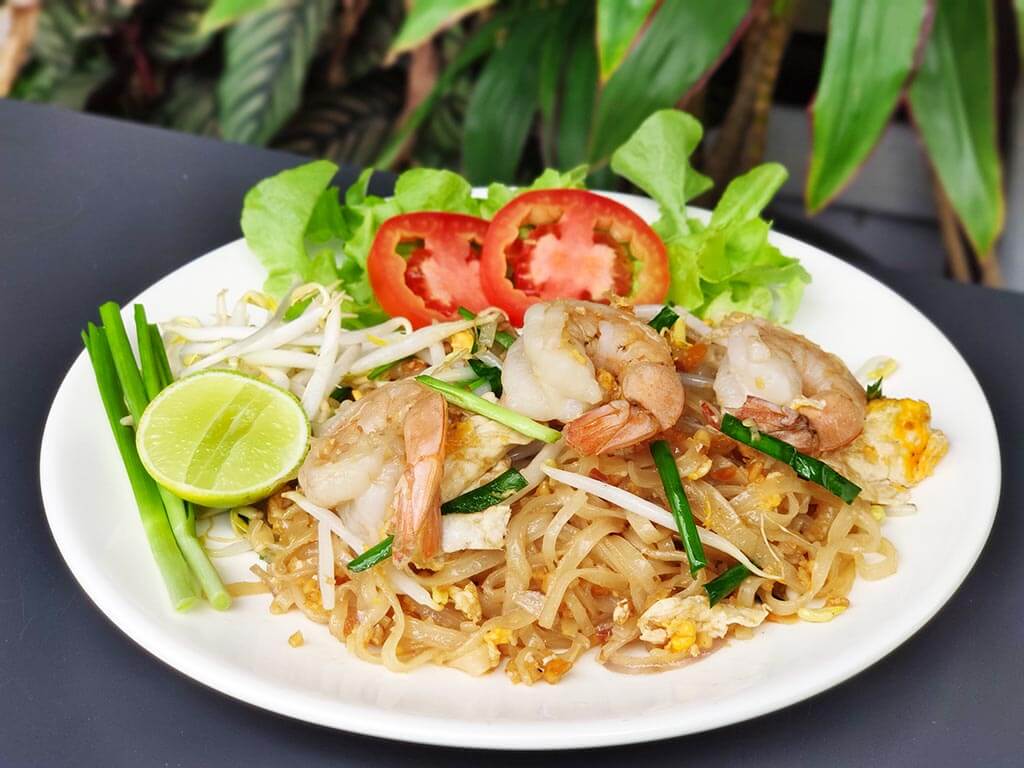

We’re all about keeping our Thai flavors authentic
— no compromises.
“Fresh, Tasty & Easy”
A great day can start with hot, made-to-order food bursting with real Thai flavor. From the very first bite, you’ll taste it: fresh ingredients, fragrant herbs, and that just-right balance of spicy, sour, salty, and sweet. This isn’t rushed, “good enough” food — it’s Thai cooking that keeps you coming back. What makes it even better is our warm, thoughtful service: friendly smiles, helpful recommendations, remembering your favorites, and happily adjusting the spice level to suit everyone.
Reviews from Real Guests
Read More Chiang Mai Guides
Planning a trip to Chiang Mai?
Read more guides from the Thaan Aoan team to make planning your Chiang Mai trip easier.
FAQ
Is 3 days enough for Chiang Mai?
Yes, 3 days is enough for a first visit. You can see the Old City, enjoy one nature day, and still have time to visit Doi Suthep and then go to markets and malls. If you have more time, Chiang Mai gets even better—but 3 days is a strong start.
What’s the best area to stay for first-time visitors?
Most first-timers like staying in the Old City or near Tha Phae Gate because it’s walkable and central. If you want more cafés and modern vibes, Nimman is also a great choice.
How do I get around Chiang Mai (Grab vs private van)?
Grab is easy for city travel (Old City, Night Bazaar, Nimman, malls). A private van with a driver is best for Day 2 because it saves energy and makes the mountain trip smoother.
What if my third day is not a Sunday?
Use the Chiang Mai Night Bazaar for an easy nightly alternative, or visit the Saturday Walking Street on Wua Lai Road if your dates match. Keep Sunday Walking Street as a bonus rather than building the whole itinerary around it.
How much should I budget for three days in Chiang Mai?
Costs vary by travel style. City transport and temple visits can be inexpensive, while Day 2 is usually the largest expense because of elephant programs and a private driver or tour. Confirm current entrance fees and package inclusions before booking.
Is this itinerary suitable for families?
Yes, but reduce the number of stops on Day 2 and schedule more breaks. Doi Suthep has a funicular for visitors who prefer not to climb the Naga staircase, and the Old City plan can easily be shortened.
What should I change during Chiang Mai’s smoky season?
Air quality can vary during the late dry season. Check the daily AQI, reduce strenuous outdoor activities when pollution is high, and keep flexible indoor options such as museums, cafés, workshops, and malls.