During 2019-2021
Thailand was the first nation outside of China to have a COVID patient since COVID was initially reported in China in 2019. Even while our administration was fully aware of the COVID situation in China, they were incredibly hesitant to act and, when they did, they acted foolishly. All of these had a long-lasting impact on Chiang Mai’s COVID predicament, restaurant, hospitality, and attraction industries.
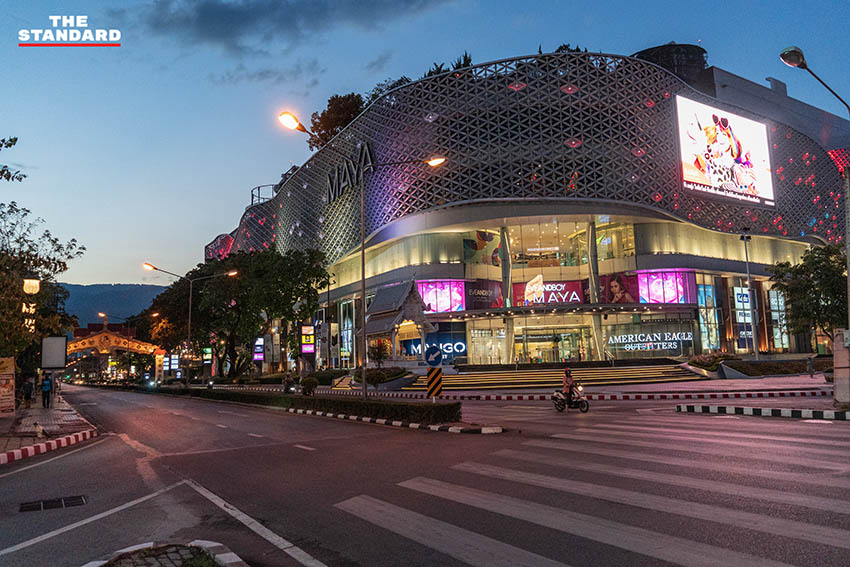
Maya Shopping Mall(Images from The Standard)
Thailand’s response to COVID from 2019 to 2021 was to implement a ZERO-COVID strategy, which primarily involved closing its border to foreign tourists and allowing only Thai citizens and foreign travelers in certain special cases. It also involved using a lockdown plan in areas that were severely affected by COVID.
This seems like a sensible strategy for the period of time when there were no vaccines on the market. Chiang Mai would first go into lockdown for a few weeks, then open to look for other COVID instances before going back into lockdown for a few more weeks. Every time a lockdown occurs in Chiang Mai, numerous businesses are forced to continue paying their rent and personnel while being shuttered with little to no assistance from the government.
This has been going on for so long that we have lost count of how many times it has happened. Numerous firms made the decision to close, some temporarily and some permanently, as the cycle repeated with little guarantee.
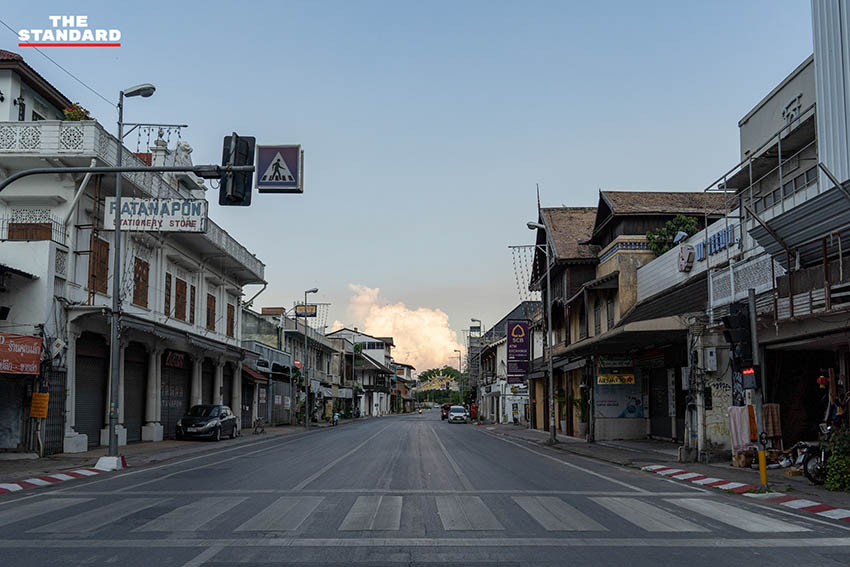
Tha Pae Street(Images from The Standard)
Thailand is a country that significantly depends on tourism, with it accounting for roughly 20% of its GDP. This is especially true of Chiang Mai, a popular tourist destination. Every business was essentially forced to change course or adapt in order to survive by closing the border in the hopes of a zero COVID case.
When the neighborhood hospital was full, hotels or guesthouses would either close or turn into hostels, accepting moderate COVID cases for the government. Many people who work in the tourism sector, such as local tour guides, had to switch to driving and food delivery for a local delivery service like Grab or Foodpanda. Numerous attractions for tourists had to close. Restaurants in popular tourist areas, such as Thaan Aoan, were also severely impacted yet managed to survive.
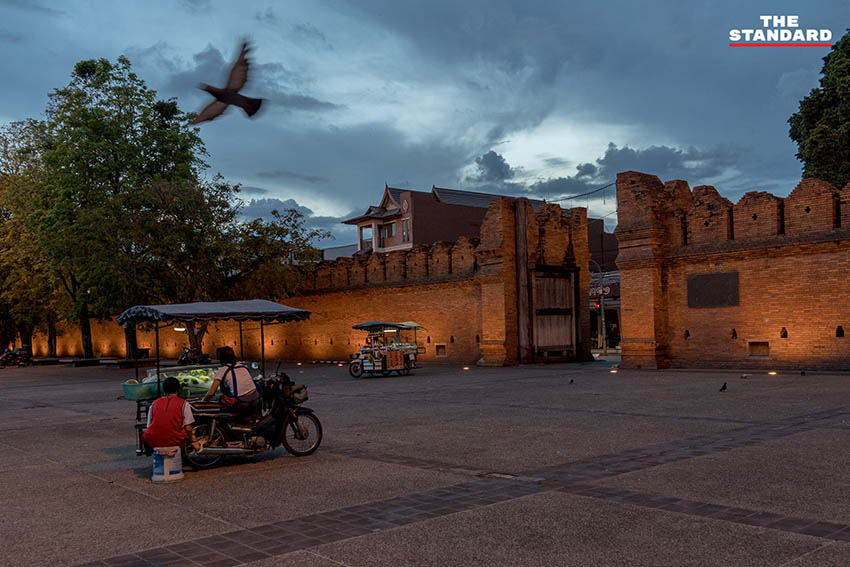
Tha Pae Gate(Images from The Standard)
I believe that last year was the first time we had any realistic chance of fully reopening both our nation and all of its industries. Prior to that, the Thai government only bought non-mRNA vaccines from Sinovac or AstraZeneca, both of which are co-owned by Thai companies with close ties to the government.
At this point, which was at the beginning of 2021, the Thai government was obliged to really purchase good vaccines that did not benefit them because Sinovac proved to be inefficient and AstraZeneca was unable to deliver the necessary supply for the Thai population.
By the end of 2021, most of the people will have received their vaccinations, and Thailand will have begun to resume welcoming visitors and abandon its Zero-COVID approach. Recognizing that the best way to move forward is to learn how to get along with COVID and that things are getting much better for Chiang Mai’s tourism business.
2022 and onward
Personally, I believe there is never a better time to travel to Chiang Mai. Due to China’s travel restrictions, Chiang Mai used to be overrun with tourists; however, this has recently changed. Many of the local tour guides in Chiang Mai are leaving their jobs as food couriers to return to the tourism sector. Rates for hotels and Airbnb have never been lower, and several of them are currently giving significant discounts. While some of the restaurants and attractions have closed, there is still a wide variety of activities and places to visit in Chiang Mai. Even if you are concerned about the epidemic, you will find Chiang Mai to be significantly safer than many other locations worldwide.
Feel free to contact us if you need any info or help traveling to Chiang Mai.